
Metal vs. Shingle Roof: What Is the Difference?
Asphalt shingles remain a practical and popular choice, but metal offers a different set of advantages. Shingles typically cost less up front, while metal is often chosen by homeowners focused on longevity, reduced replacement frequency, and durability.
| Factor | Asphalt Shingles | Metal |
|---|---|---|
| Upfront cost | Typically lower | Typically higher |
| Replacement frequency | More frequent over the life of a home | Fewer replacement cycles |
| Appearance | Classic, many colors and styles | Clean, modern, or traditional panel looks |
| Best for | Budget-focused and near-term plans | Long-term ownership |
A metal roof may cost more initially, but homeowners planning to stay for many years may find the longer service life appealing. We explain the tradeoffs honestly so you can decide based on your budget, home, and long-term plans.
A Durable Roofing Option for Severe Weather
Homes face hot summers, heavy rain, strong winds, thunderstorms, and occasional hail. Those conditions make material selection and installation quality especially important when choosing a roof.
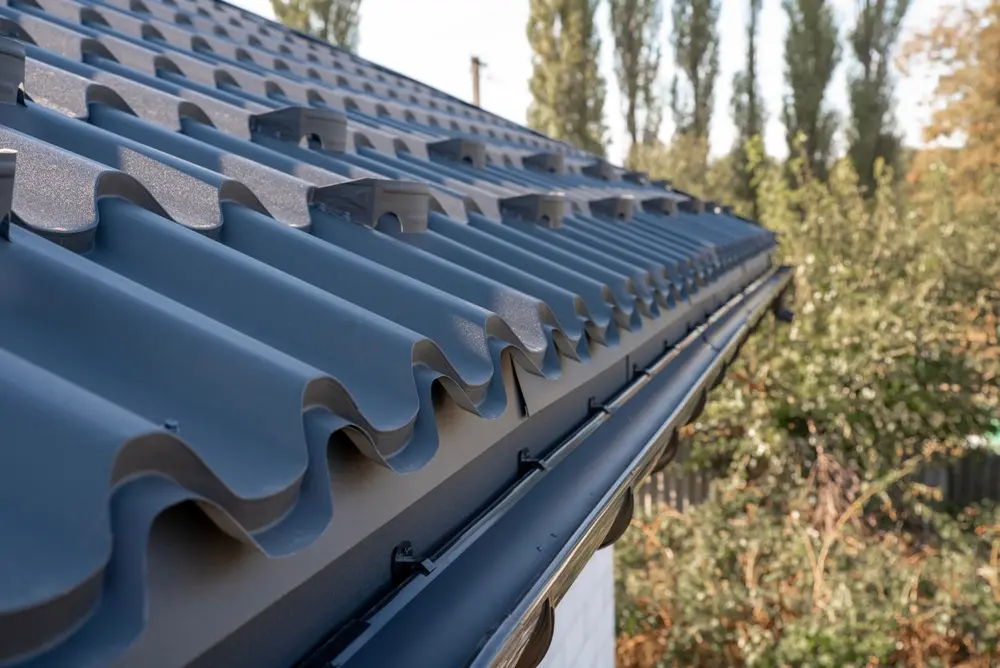
Metal roofing is valued for its strength and its ability to shed water efficiently. It can also be a good choice for homeowners concerned about repeated storm exposure, although no roofing material is completely immune to severe weather. That is why pairing it with well-maintained gutters and downspouts matters just as much.
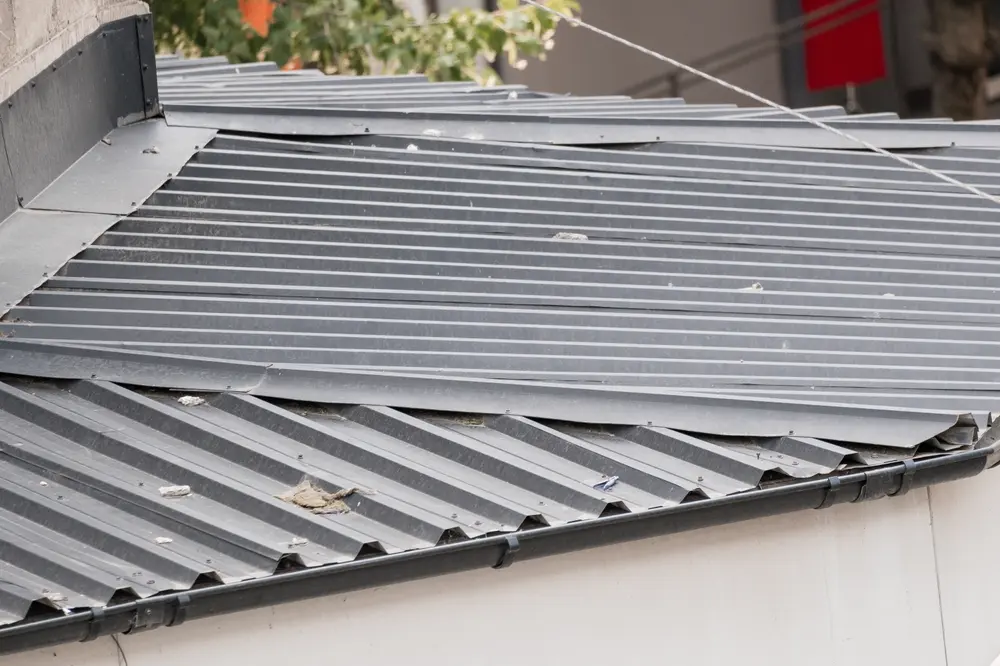
It also means any damage should be handled promptly. If a storm does leave its mark, repair after wind or hail damage gets the roof back to full protection quickly.
Choosing the Right Metal Roofing System
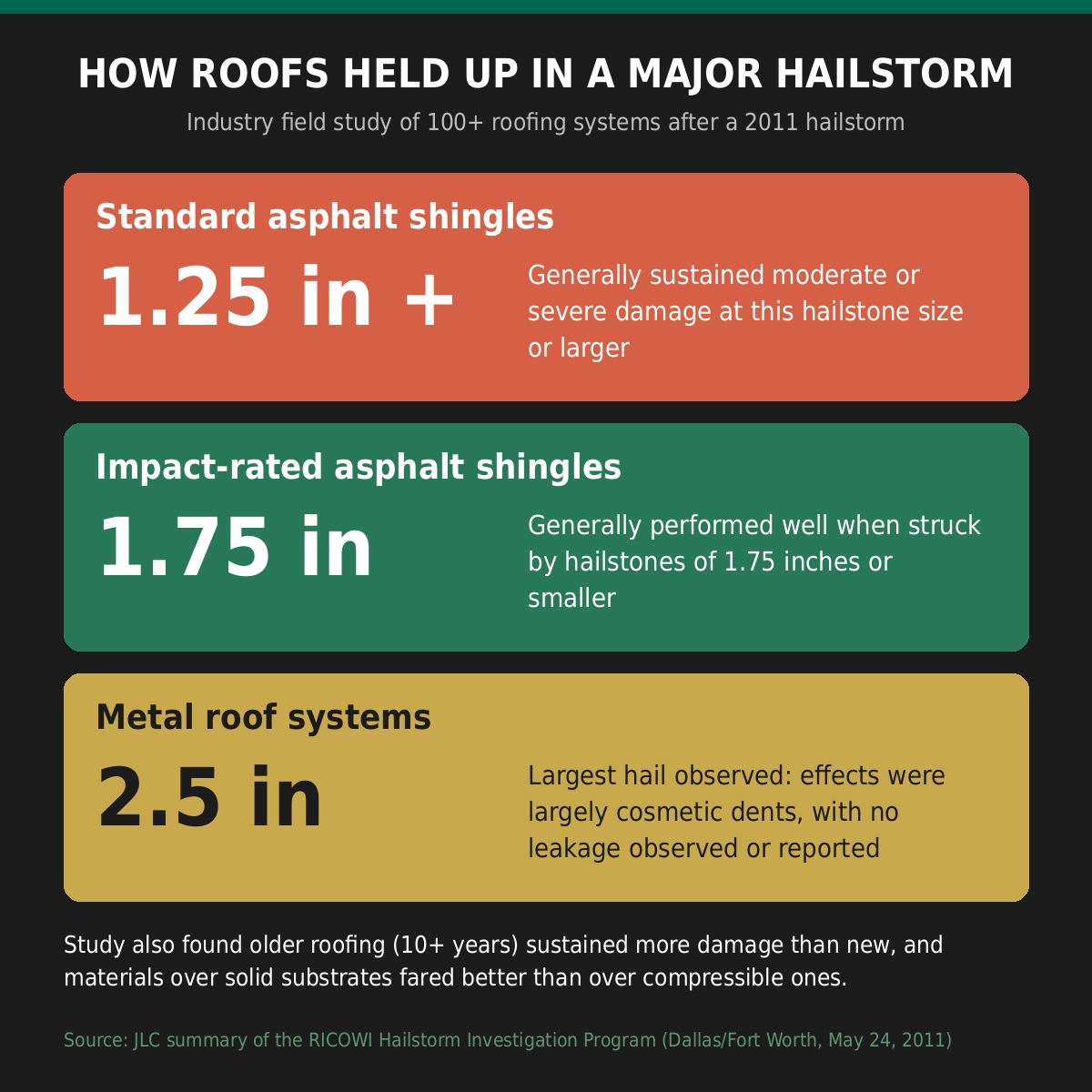
The details behind a metal roof decide how it looks, how it performs, and how it holds up when severe weather arrives. These two references show how metal has fared in real hailstorms and how the main styles differ.
How Metal Roof Installation Holds Up in Hail
After a major hailstorm, an industry inspection program examined more than one hundred roofing systems. It found that hail effects on metal roofs were largely cosmetic, such as dents, rather than functional, and no leakage was observed even after hailstones as large as 2.5 inches. Standard asphalt shingles, by comparison, generally sustained moderate or severe damage at 1.25 inches and larger. The study also found that roofing installed over a solid substrate fared better than roofing over compressible materials, which is one reason deck preparation matters.
Common Metal Roof Styles at a Glance
Metal roofing is not one product. The right style depends on your home’s design, your budget, and the look you want.
| Style | Look | Good to Know |
|---|---|---|
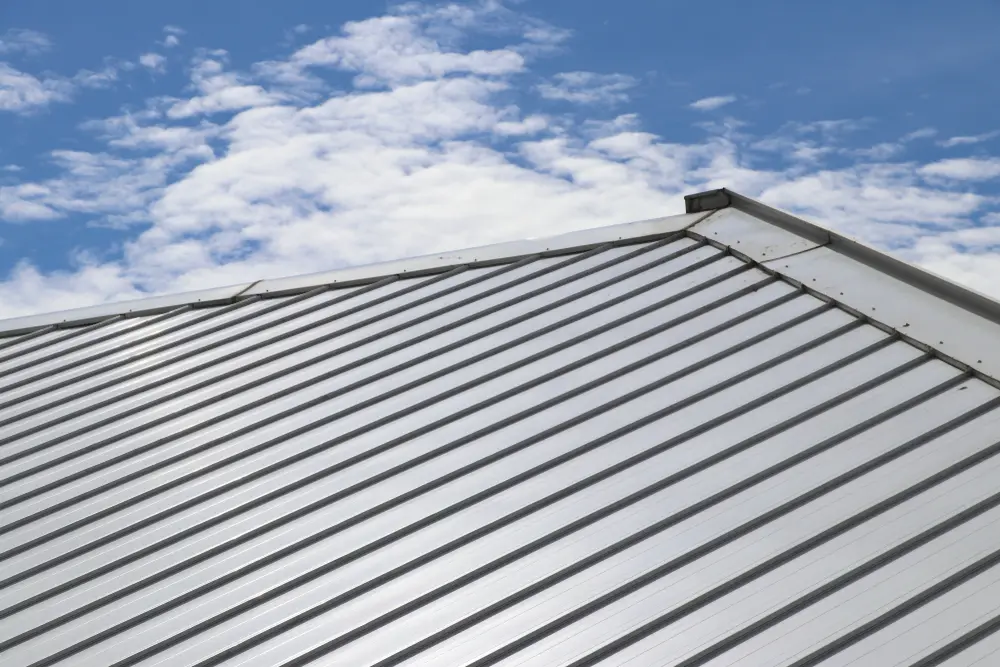
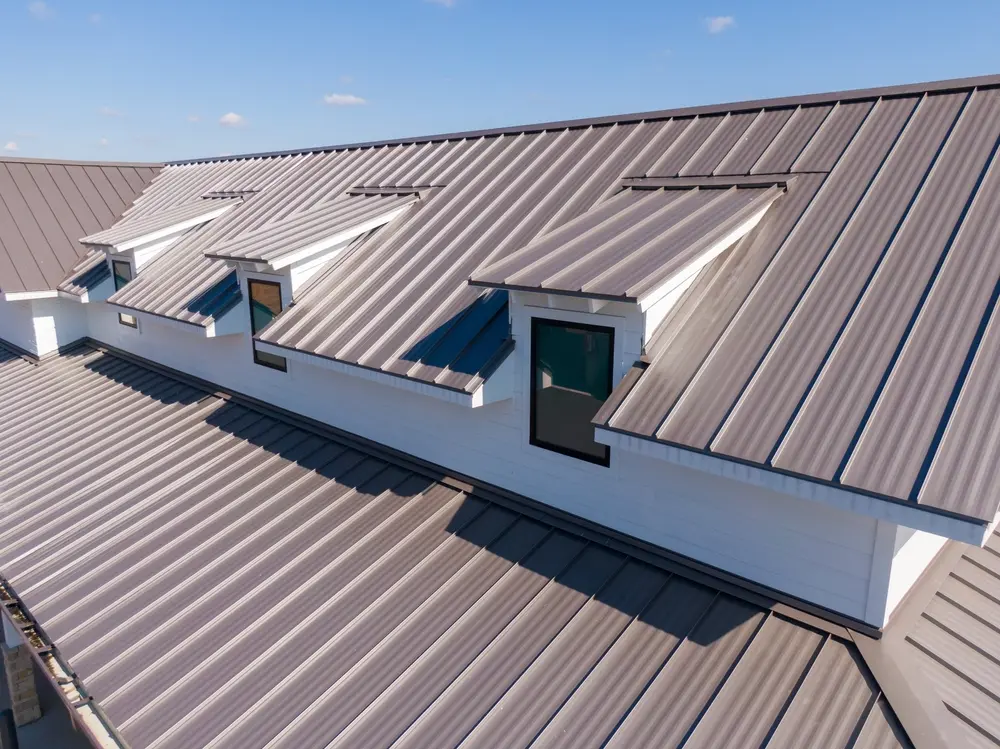
| Standing seam | Clean, streamlined vertical lines | Raised seams help protect fasteners and give an architectural finish |
| Metal panels | Bold ribbed or corrugated profile | Popular on farmhouses, barns, and modern builds |
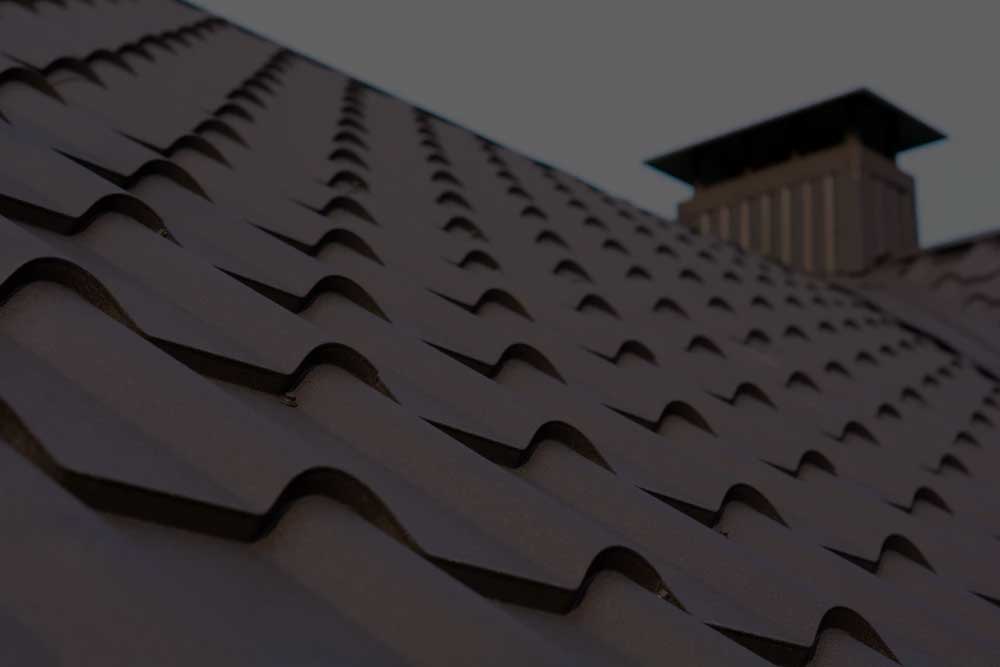
| Metal shingles | Resembles shingles, slate, or shake | Suits homeowners who want a traditional look in metal |
During your estimate we walk through each style, the finishes available, and what each means for cost and maintenance.
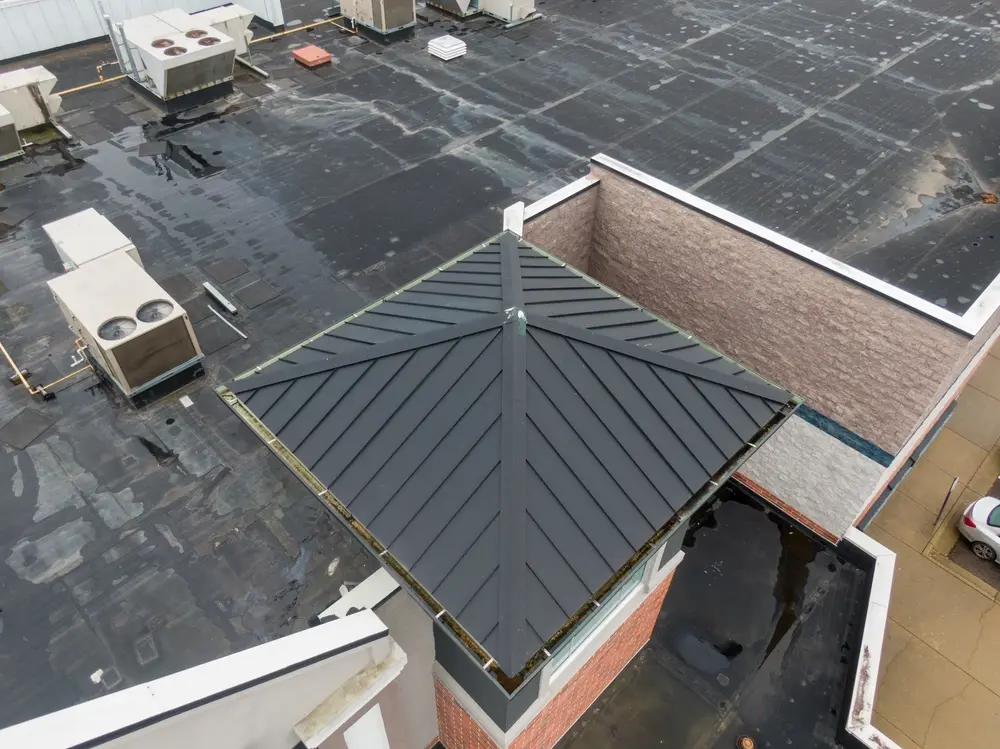
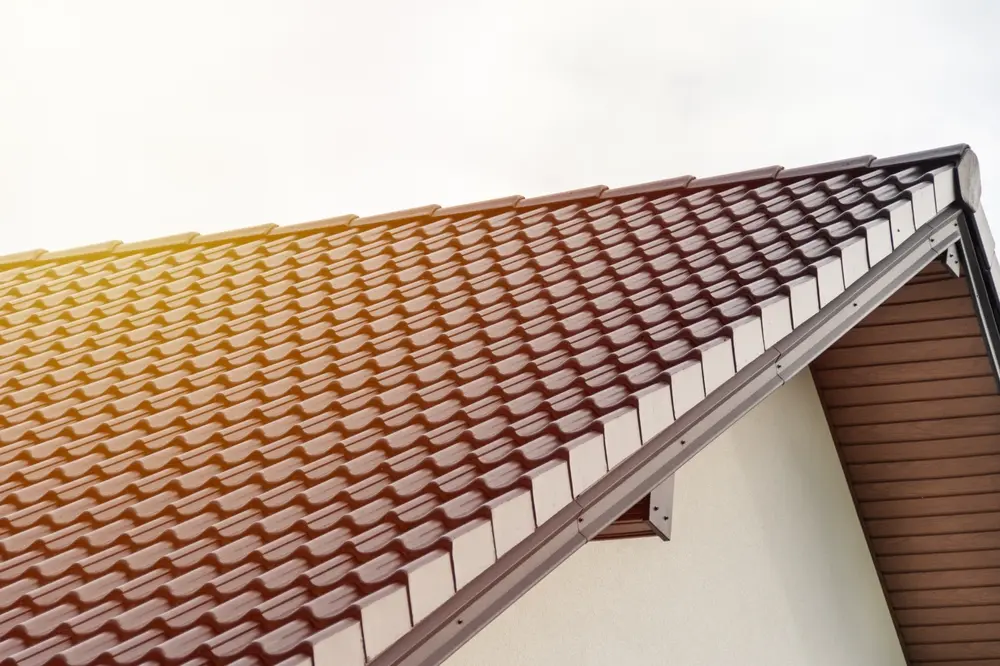
Proper Metal Roof Installation Makes the Difference
Even the best product can underperform if the installation is rushed or poorly detailed. Flashing, valleys, penetrations, fasteners, transitions, ventilation, and underlayment all play an important role in keeping water out. Depending on the project, our work may include:
- Evaluating the existing roof and decking condition
- Reviewing ventilation and moisture concerns
- Removing old roofing when needed
- Preparing the roof deck and underlayment
- Installing metal panels with proper alignment
- Completing flashing and penetration details
- Inspecting the finished system for fit and finish
We explain what we find before work begins, starting with a thorough roof condition evaluation. That helps you understand whether additional repairs are needed or whether the existing structure is ready for the new roof.
Honest Recommendations Before You Replace the Roof
A full tear-off and replacement is not always necessary just because a roof has a problem. Tip Top Roofing has built its reputation on honest assessments, and we recommend repair when repair is the more practical choice.
If the existing roof has localized damage, flashing issues, or a smaller leak, we explain whether targeted fixes can reasonably correct it. If age, widespread deterioration, or repeated damage makes replacement the better long-term option, we explain that clearly too.
Roofing Experience Since 1990
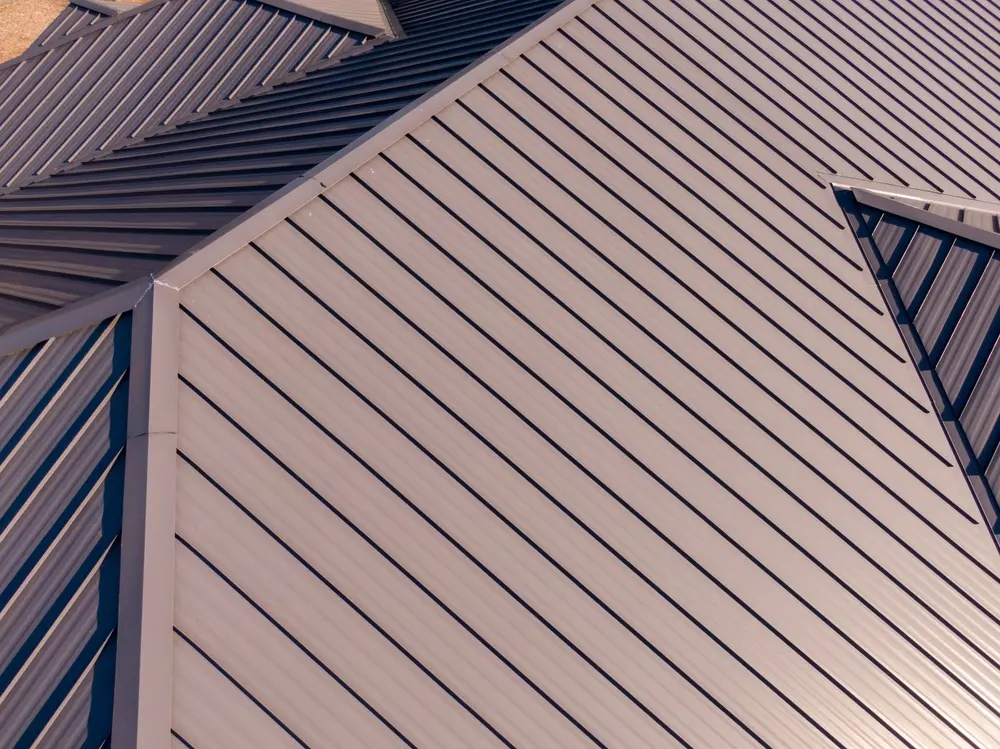
We have served homeowners for more than three decades, which gives us practical experience with weather patterns, housing styles, and the roofing issues that come with them. You can see the quality of our finished work in our project gallery.
Tip Top Roofing is also a CertainTeed ShingleMaster Pro™, a major credibility marker within the roofing industry. That designation is tied specifically to CertainTeed shingle systems and warranty qualifications, but it reflects the training and professionalism we bring to every roofing project, and it is part of how we explain the options in our full range of residential roofing solutions.
Frequently Asked Questions
Metal roofing is commonly chosen for its multi-decade service life. The actual lifespan depends on the system, installation quality, maintenance, exposure, and environmental conditions, so we avoid guaranteeing a fixed number of years.
Metal roofing generally has a higher upfront cost than standard asphalt shingles. However, many homeowners consider the longer expected service life and reduced replacement frequency when comparing overall value.
Metal roofing can be a strong fit because it handles rain, sun exposure, and wind well when properly installed, and field studies of hailstorms found hail effects on metal roofs to be largely cosmetic. No roofing material is immune to severe weather, so installation details still matter.
Certain reflective metal finishes can reduce solar heat absorption at the roof surface. Overall energy performance also depends on insulation, ventilation, roof color, and other building factors.
Sometimes, but it depends on the condition of the existing roof and decking. We inspect the roof first and explain whether removing the old roofing is the better path for your home.
Yes. We offer free roof inspections and estimates, evaluate the current roof, discuss metal options, and explain whether repair or replacement makes the most sense.