
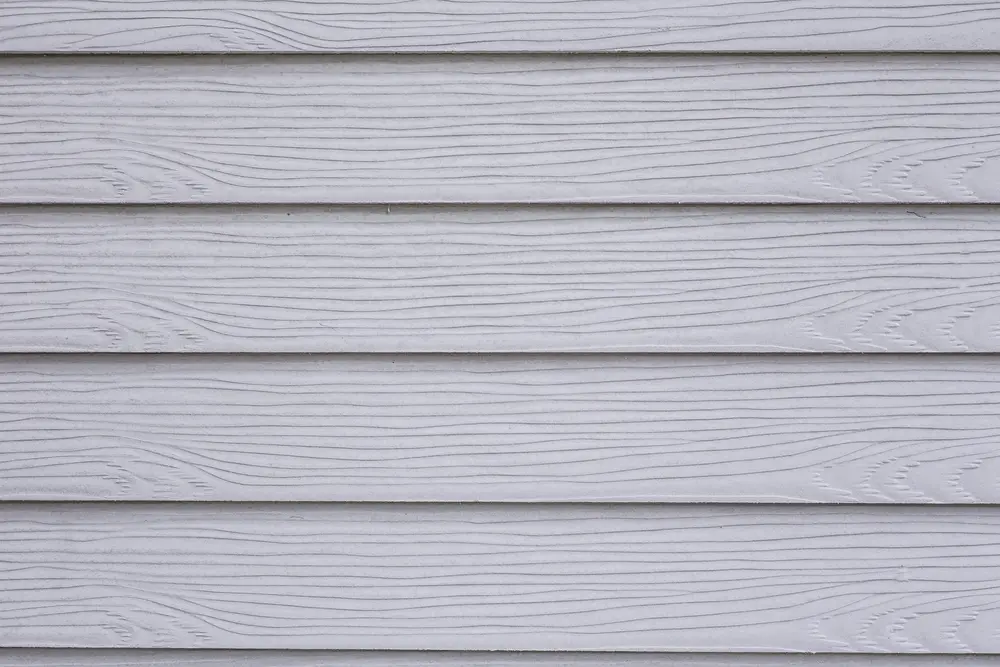
Hardie Board Siding Can Transform Curb Appeal
Older siding can make a home look tired even when the rest of the property is well maintained. Cracking, warping, fading, or inconsistent repairs can also make the exterior feel pieced together.
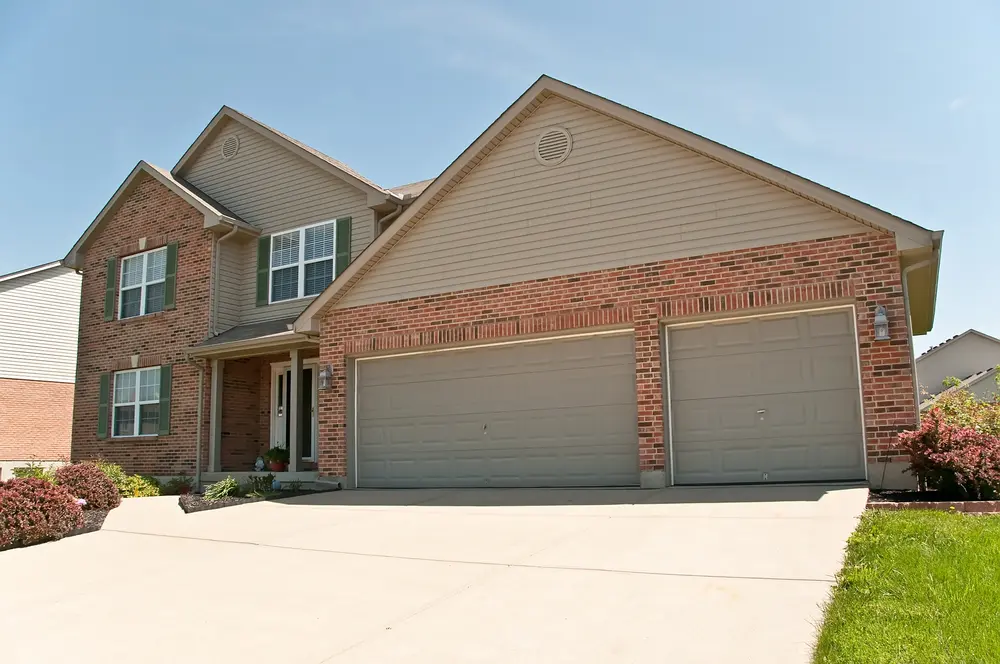
Hardie board siding gives homeowners a chance to refresh the whole look of the house with cleaner lines, updated colors, and more intentional trim details. You can see the kind of transformation possible in our project gallery. We help customers think through the visual side while keeping durability and weather protection at the center of the decision.
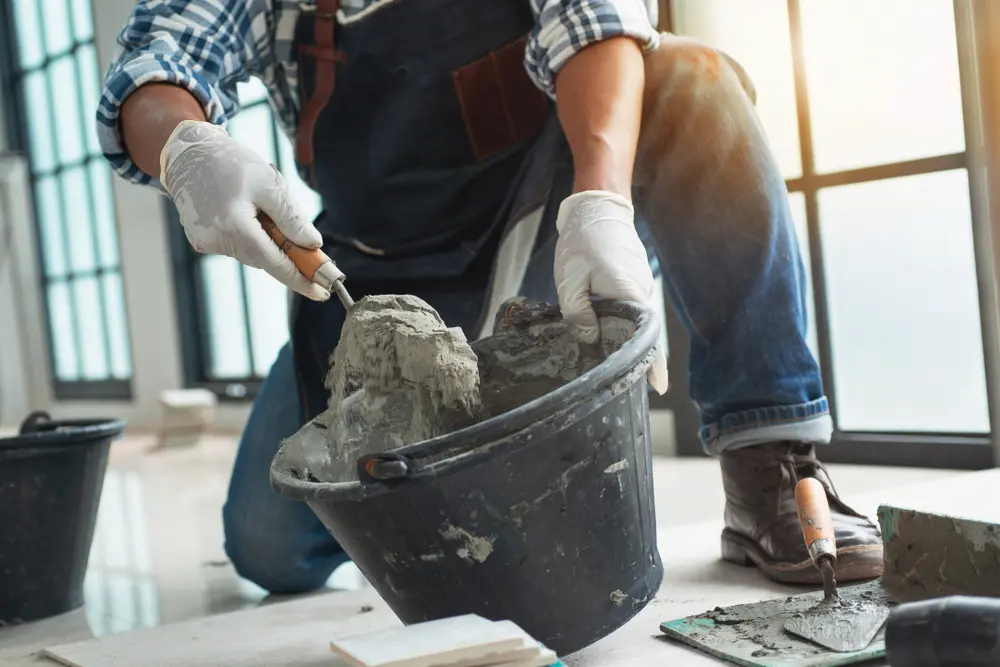
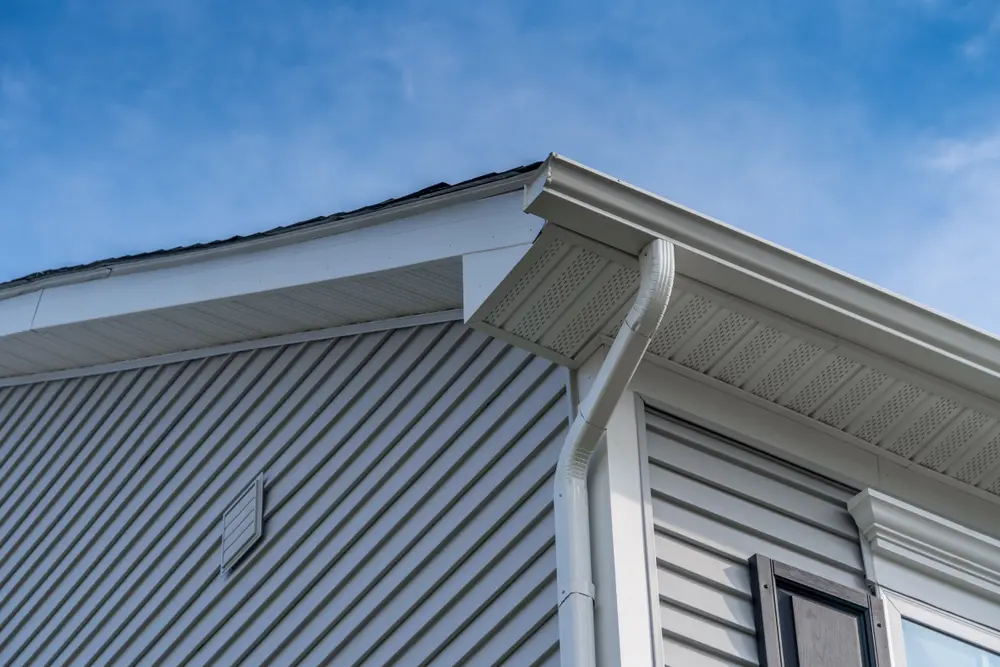
Fiber Cement vs. Vinyl Siding
Both materials can be good options, but they serve slightly different priorities. Vinyl is typically more budget-friendly and very low maintenance, while fiber cement is often chosen by homeowners who want a heavier, more premium-feeling material with strong long-term durability.
When comparing the two, we look at budget, desired appearance, maintenance expectations, and the overall condition of the home. If budget is the leading concern, our overview of vinyl siding installation explains what that option offers. Our goal is not to push every homeowner toward the more expensive option, but to explain the differences clearly so you can choose what fits the property and your plans.
Is Fiber Cement Siding a Smart Investment?
A premium material should earn its keep. These two guides show how fiber cement has performed at resale and what separates a good installation from a poor one.
How Fiber Cement Siding Performs at Resale
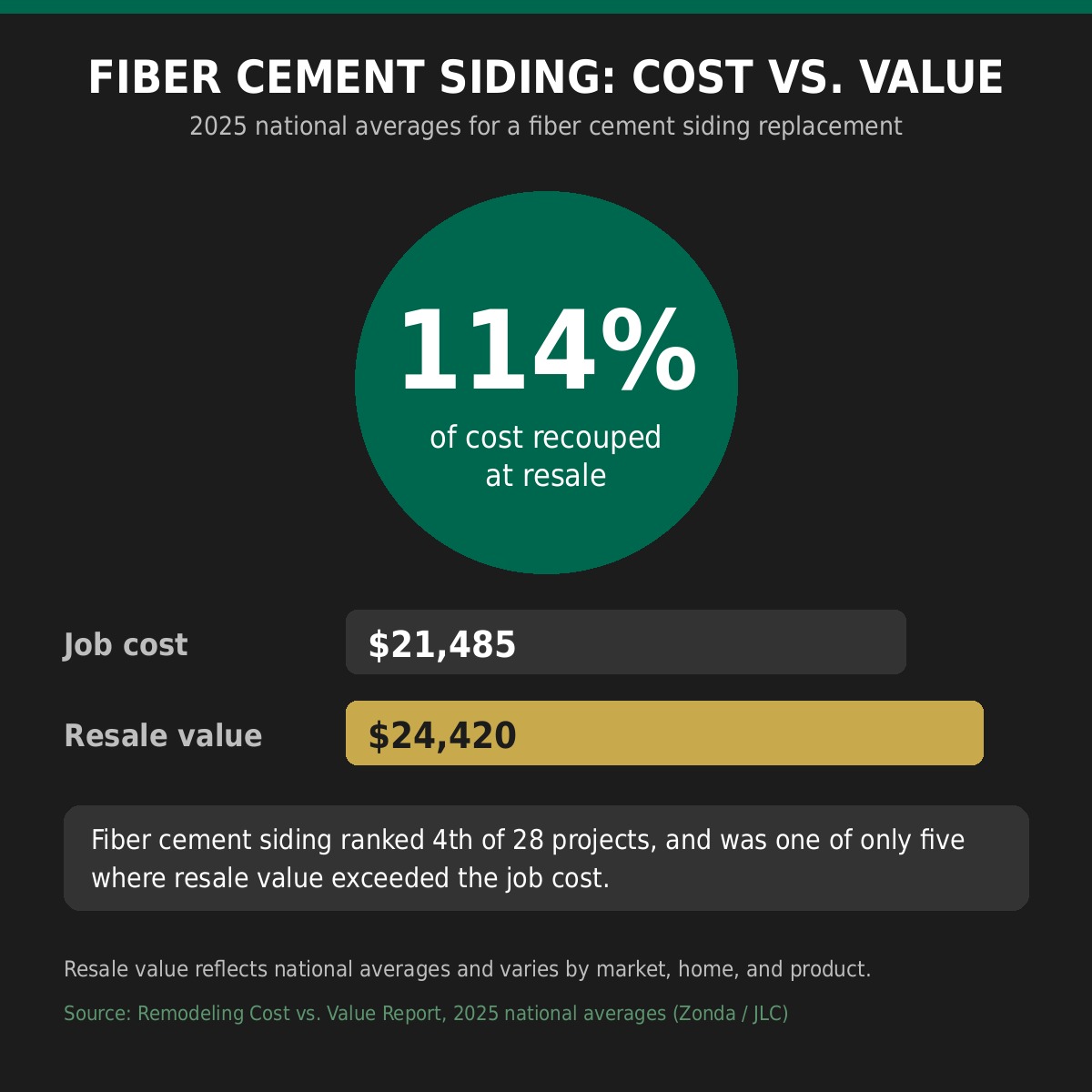
In the 2025 Cost vs. Value Report, a fiber cement siding replacement cost a national average of $21,485 and returned $24,420 in resale value, recouping 114 percent of its cost. It ranked fourth among the 28 projects in the report and was one of only five where resale value exceeded the job cost. Results vary by market, home, and product, but they show that buyers recognize and reward a premium, durable exterior.
What Separates a Good Fiber Cement Installation
Fiber cement boards are heavy and unforgiving of shortcuts. The details below are where installations succeed or fail.
| Detail | Why It Matters |
|---|---|
| Wall preparation | A sound, dry, properly flashed wall is the base for everything else |
| Handling and cutting | Heavy boards need correct tools and technique to avoid damage and dust problems |
| Spacing and fastening | Following manufacturer requirements lets the product perform as designed |
| Windows, doors, and corners | These transitions are where moisture most often finds a way in |
| Finish and trim | Clean details give the exterior a polished, intentional look |
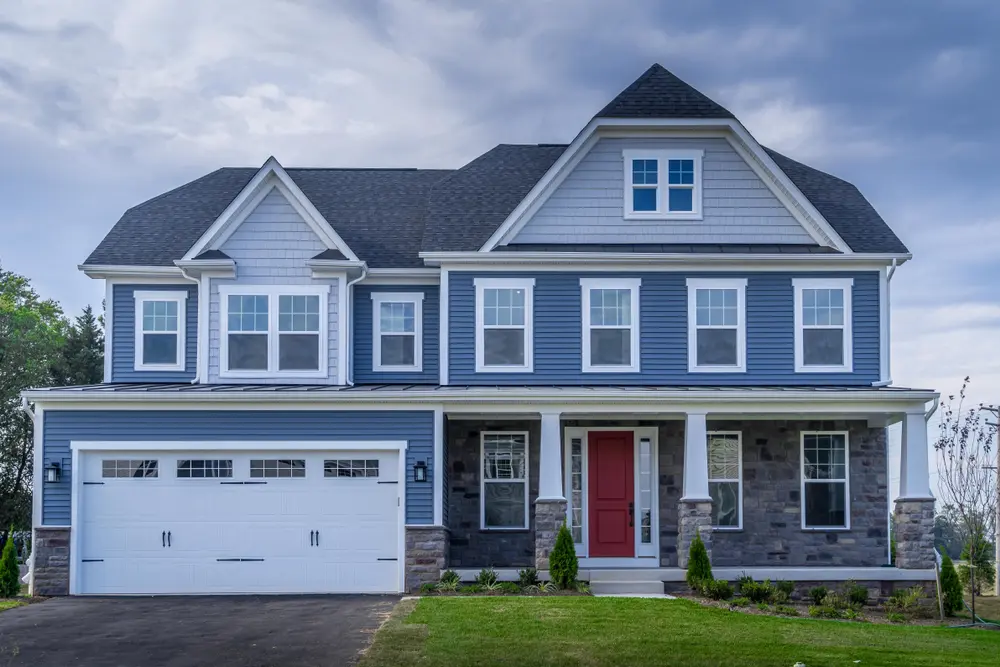
Fire Resistant Siding Benefits
Fiber cement is a noncombustible material, which is one reason some homeowners consider it when comparing siding options. That can add confidence for customers looking for fire resistant siding as part of a broader exterior improvement plan.
Siding is only one part of a home’s overall fire performance. We focus on installing the material correctly and helping homeowners understand its practical benefits without overstating what any single exterior product can do.
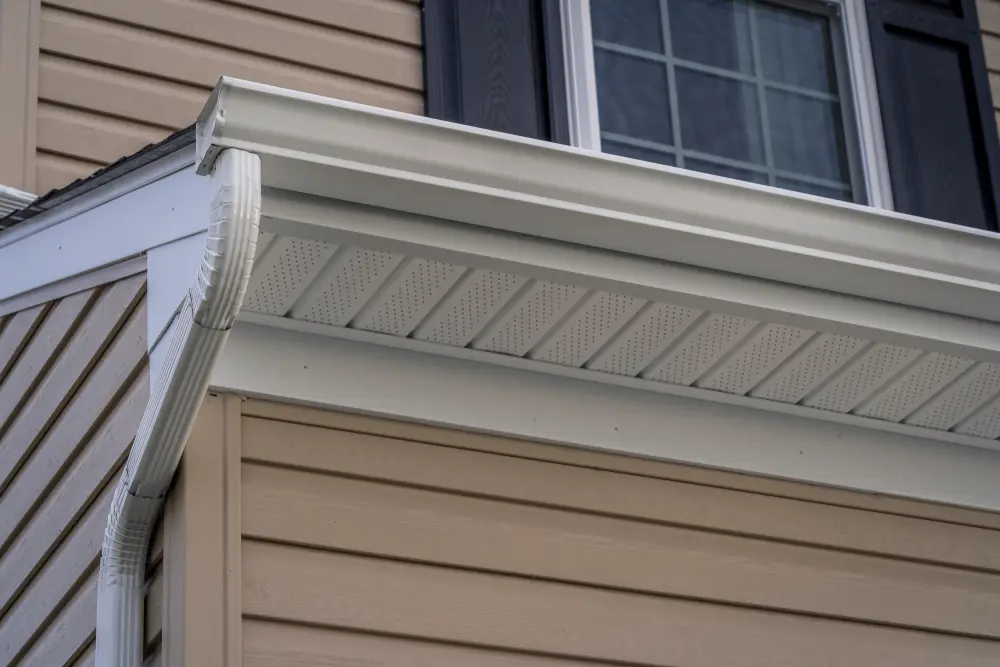
Low-Maintenance Performance Without Sacrificing Style
Fiber cement does require some care over its lifespan, but many homeowners appreciate that it does not need the frequent maintenance associated with some traditional wood siding. It also offers more design flexibility than people sometimes expect.
Homeowners can choose from a wide range of colors, textures, and profiles so the siding complements roofing, windows, trim, and doors, including finishing touches like protective chimney caps. That helps create a finished exterior that looks intentional instead of simply replacing one worn material with another.
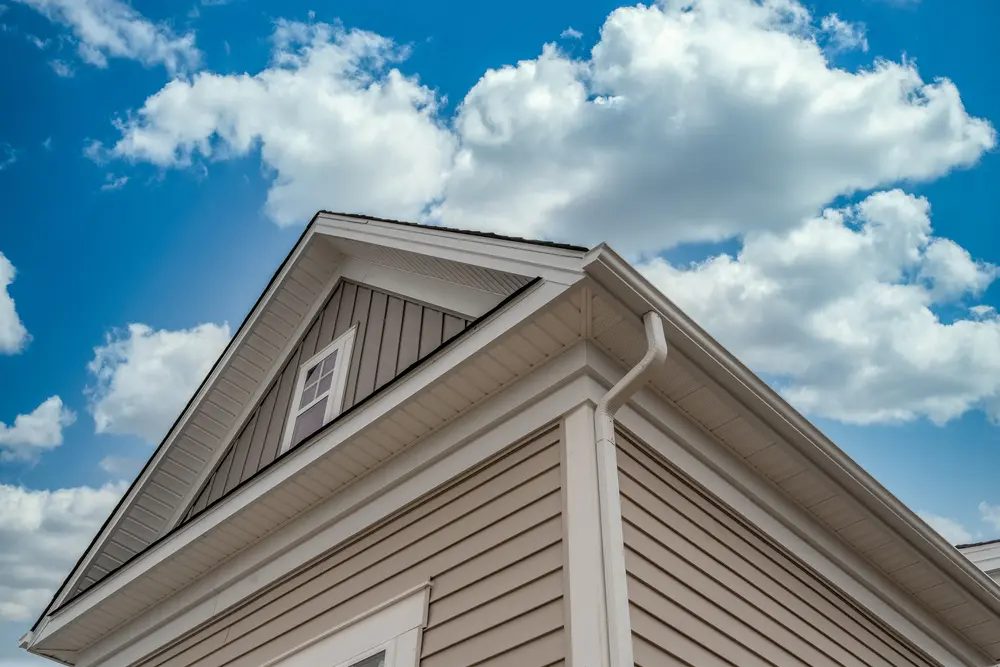
Professional Installation From Start to Finish
A premium siding product deserves a careful installation process. We take the time to evaluate the existing exterior, identify areas that need preparation, and plan the siding layout before installation begins, using the same thorough approach as a roof condition evaluation. Our siding work may include:
- Inspecting the existing siding and wall condition
- Reviewing fiber cement and James Hardie product options
- Discussing colors, textures, and trim details
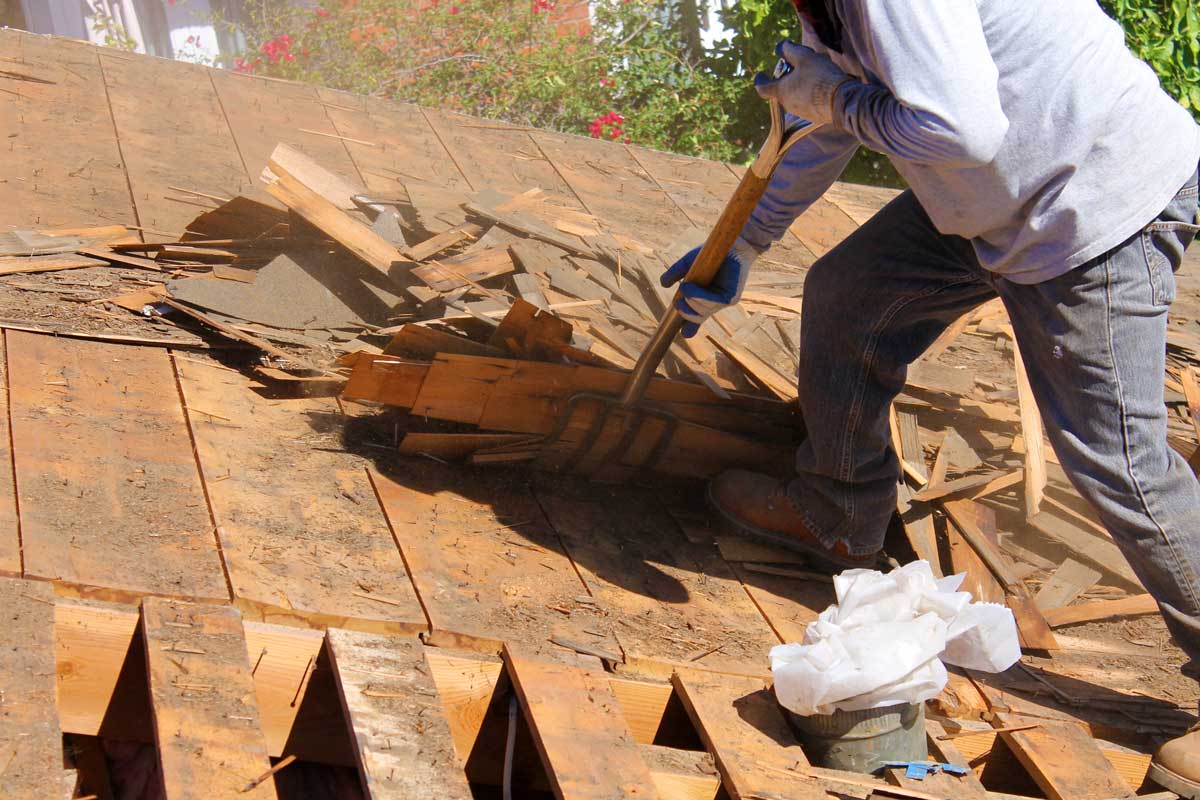
- Removing old siding when needed
- Preparing the exterior surface
- Installing siding with attention to spacing and fastening
- Completing trim, corner, and penetration details
- Performing a final review of the finished work
This approach creates a cleaner finished appearance and supports better long-term performance. We would rather take the time to do the project correctly than rush through details that matter later. If you are still deciding on a material, our overview of siding options for your home is a good place to start.
Frequently Asked Questions
Fiber cement is generally chosen for its substantial feel, weather resistance, and long-term durability. Vinyl is also durable and low maintenance, but the best option depends on budget, appearance, and homeowner priorities.
James Hardie manufactures fiber cement siding products. Hardie board siding is one well-known brand option within the broader fiber cement siding category.
Fiber cement is relatively low maintenance compared with many traditional siding materials. Routine inspections and occasional cleaning are still important, and painted finishes may need maintenance over time.
Fiber cement is a noncombustible material, which gives it an advantage over some other siding products in terms of fire resistance. Overall home fire performance depends on many building components, not siding alone.
The boards are heavy and need careful handling, cutting, fastening, and sealing, especially around windows, doors, corners, and penetrations where moisture can become a problem. Following the manufacturer’s installation requirements is what lets the product perform as intended.
Yes. We provide free estimates so homeowners can review product options, project scope, and expected costs before moving forward.