
Fast Emergency Roof Repair and Temporary Protection
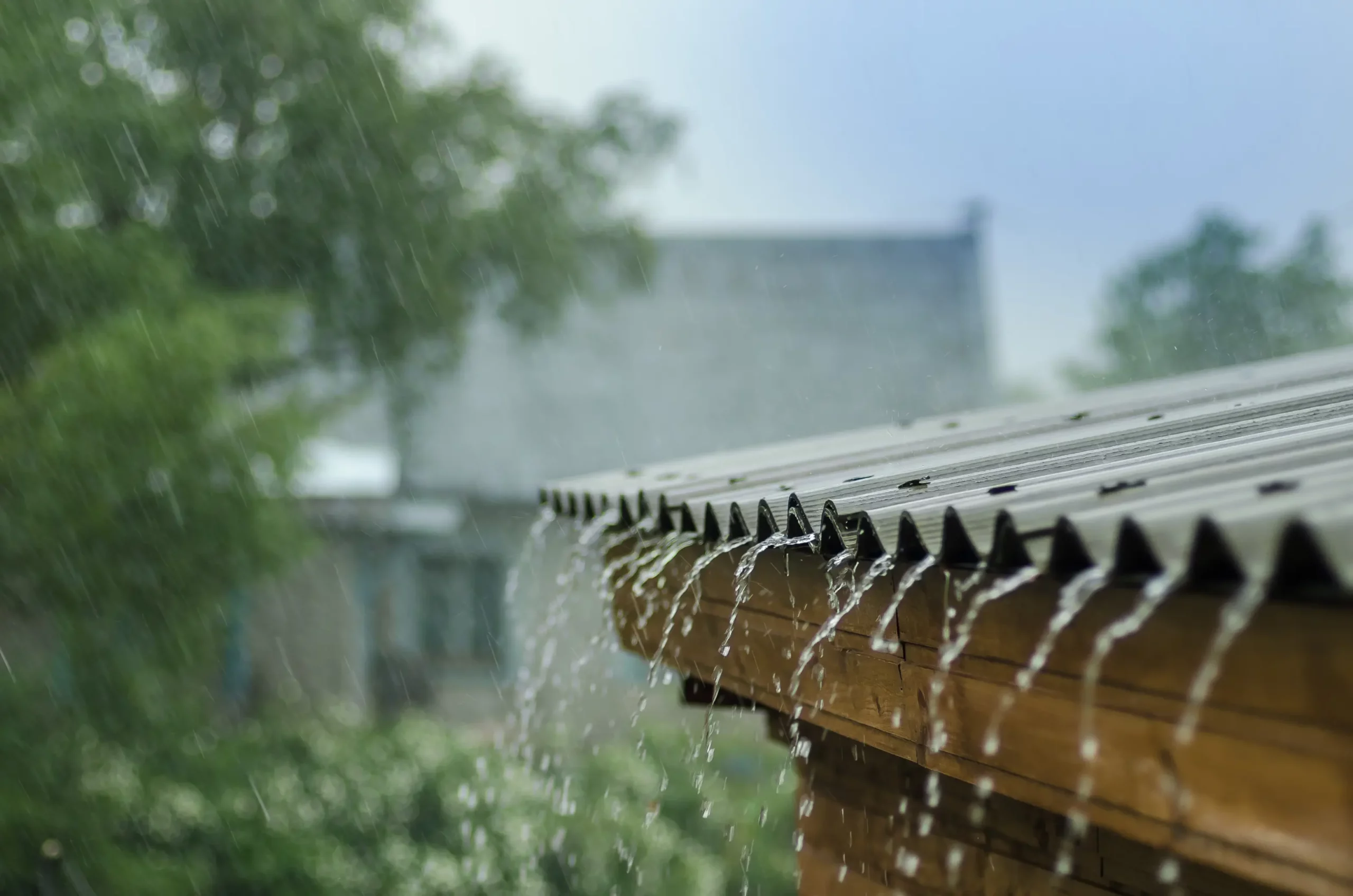
An active leak after a storm should be addressed quickly because water can travel well beyond the point where it first enters the roof. By the time a stain appears on a ceiling, moisture may already be affecting insulation, decking, or interior finishes. We provide emergency roof repair and temporary protection when appropriate, including roof tarp service for exposed areas. The goal is to limit additional water intrusion until a permanent repair can be completed safely and correctly.
How Severe Weather Is Measured
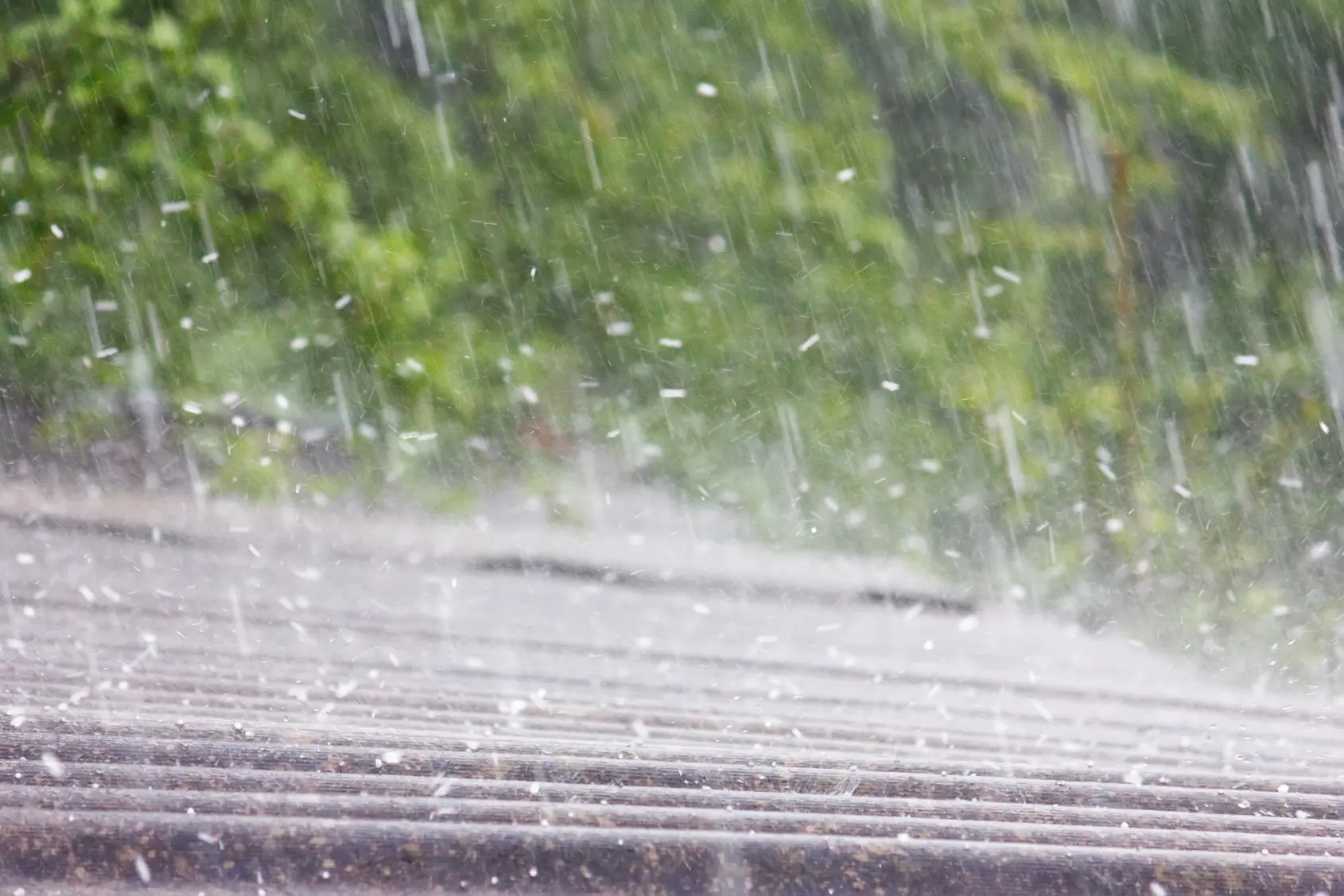
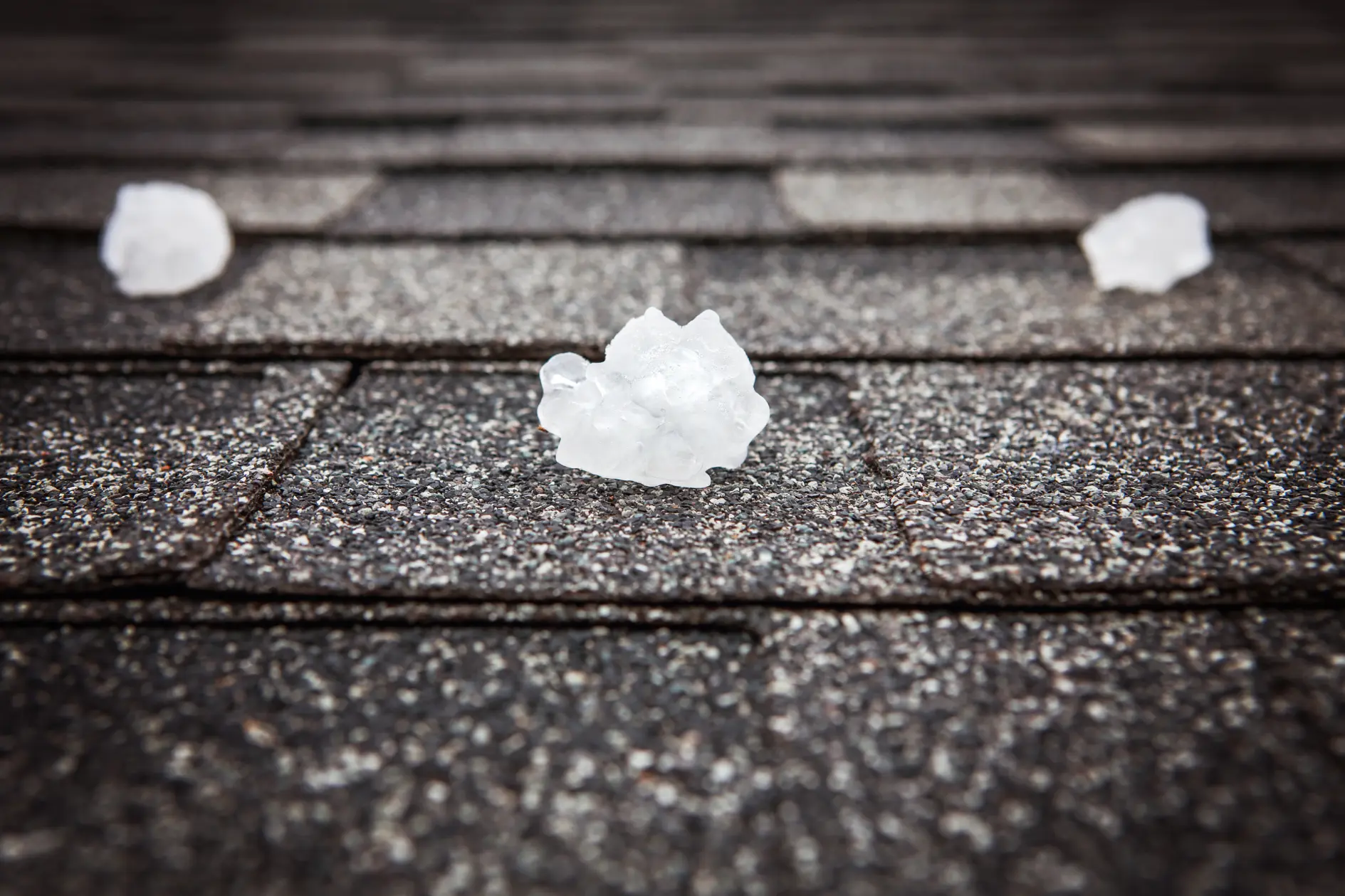
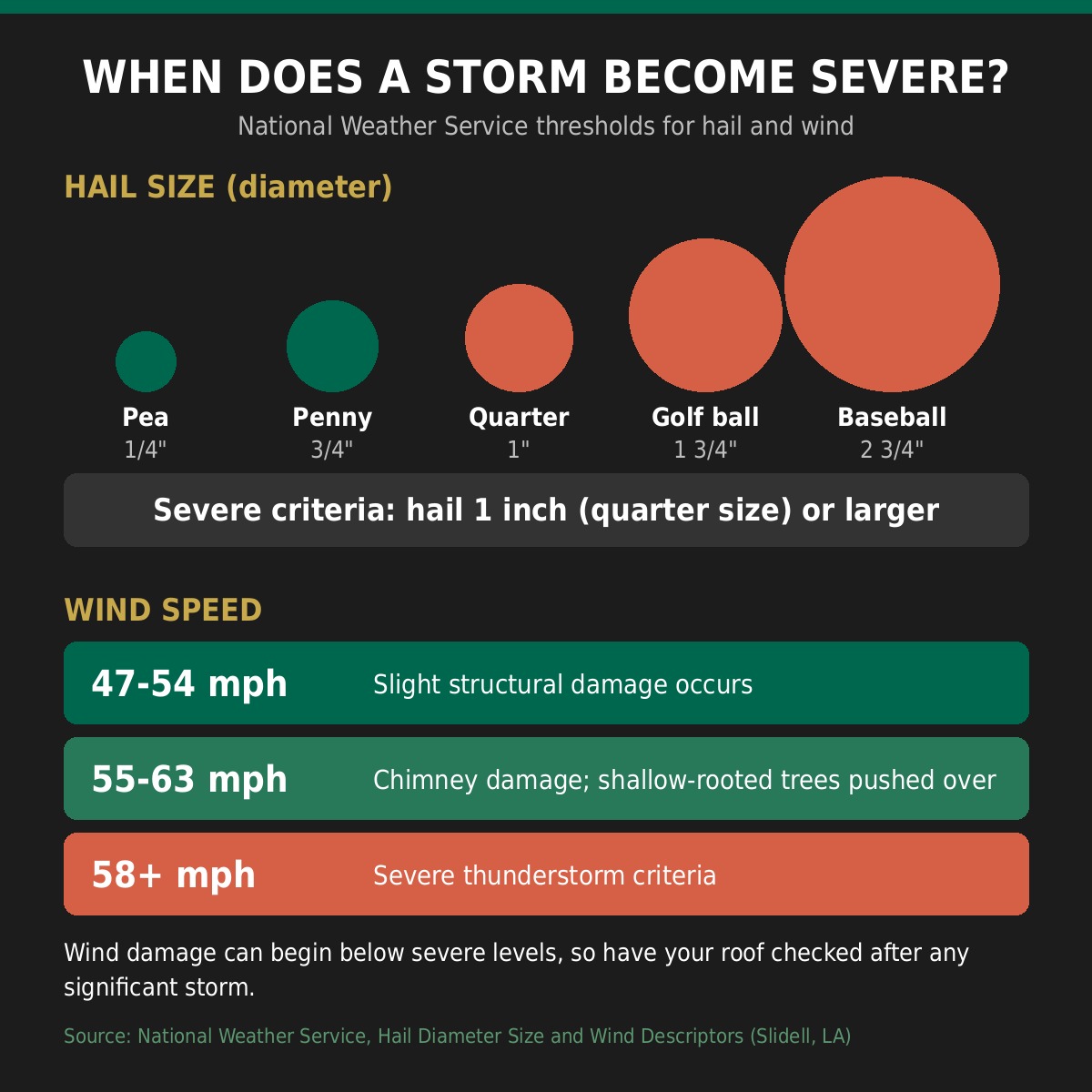
The National Weather Service calls a thunderstorm severe when it produces hail one inch in diameter, about the size of a quarter, or larger, or winds of 58 miles per hour or more. Its wind descriptions also note slight structural damage in the high 40s and chimney damage in the mid 50s, so a roof can be hurt before a storm technically qualifies as severe. If your area saw a storm in these ranges, an inspection is a smart next step.
What Storm Damage Roof Repair Typically Includes
Every storm leaves a different pattern of damage, so each job starts with the roof in front of us. This guide shows the most common findings and the usual response.
| Damage Type | What We Look For | Typical Response |
|---|---|---|
| Hail | Bruising, cracks, granule loss, dented vents | Document, then repair or replace |
| Wind | Lifted, creased, or missing shingles and loose edges | Replace damaged areas and re-seal |
| Fallen limbs | Punctures, crushed shingles, damaged decking | Emergency protection, then permanent repair |
| Active leak | Entry point and water path into the home | Tarp if needed, then targeted leak and shingle repairs |
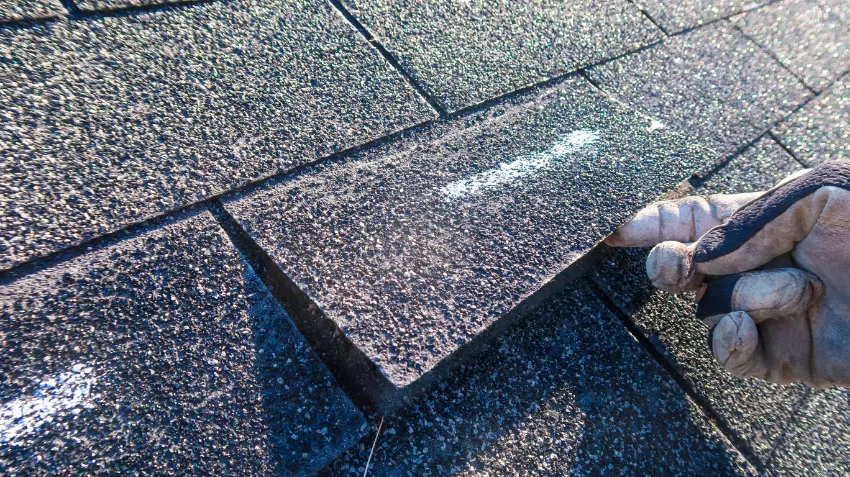
Repair or Replacement Depends on the Roof
Not every storm-damaged roof needs to be replaced. A few missing shingles, a localized flashing problem, or a smaller damaged section may be repairable without tearing off an otherwise serviceable roof.
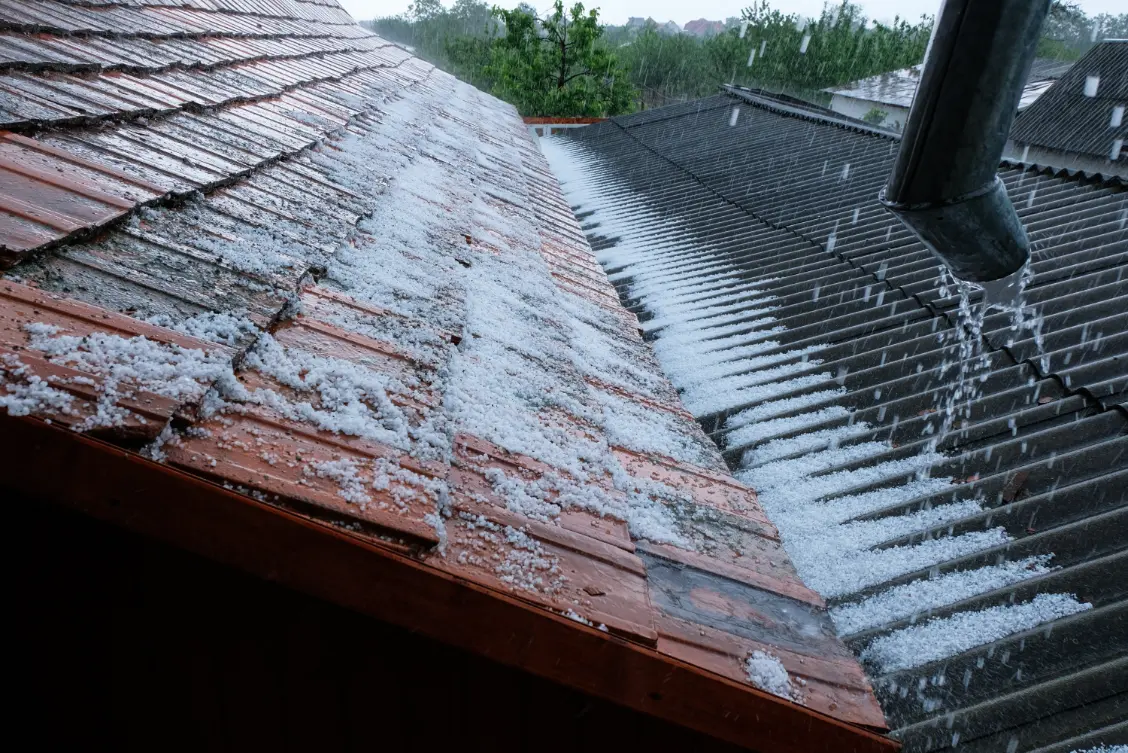
Widespread hail impact, extensive wind damage, repeated leaks, or significant material failure may make a full tear-off and new roof more practical. We look at the whole roof before recommending the next step, because the right solution should be based on condition, not on selling the largest possible project.