
Your roof is one of the most critical components of your home’s structural integrity. While some damage might seem purely cosmetic, certain warning signs indicate serious structural problems that require immediate attention. If you live in Kernersville, NC, or anywhere else, understanding the difference between minor repairs and major structural issues can save you thousands of dollars and protect your family’s safety. This guide will help you identify seven critical warning signs that your roof is structurally failing, not just experiencing cosmetic damage.
1. Sagging or Drooping Roof Lines
One of the most obvious indicators of structural failure is a visible sag in your roof line. When you look at your roofline from the street or from inside your attic, it should appear relatively straight and level. If you notice any areas that dip, sag, or appear to bow downward, this is a serious red flag that warrants professional inspection immediately.
Sagging occurs when the structural support system beneath your roof has weakened due to age, water damage, pest infestation, or improper installation. This could involve damaged rafters, compromised trusses, or deteriorated support beams. The weight of your roofing materials, combined with the structural weakness, creates this visible depression. In some cases, sagging develops gradually over years, while in others, a single severe storm or heavy snow load can trigger sudden, dramatic failure.
If you’re considering Roof Replacement in Kernersville, NC, a sagging roof should be your top priority. Don’t delay in getting a professional assessment, as continued sagging can eventually lead to catastrophic collapse, endangering lives and causing extensive property damage.
2. Water Stains and Interior Leaks
While the occasional water stain might seem like a minor cosmetic issue, persistent or expanding water stains on your ceiling and walls indicate an ongoing structural problem. Water penetration into your attic and interior spaces suggests that your roof’s protective barrier has failed, allowing moisture to seep through the structural frame.
When water continuously enters your home through your roof, it begins to compromise the wooden structure beneath. Rafters, trusses, joists, and framing members absorb moisture, leading to rot and decay. This weakening of the structural components can progress rapidly, especially in humid climates or areas with frequent rainfall. Additionally, moisture creates an ideal environment for mold growth and pest infestations, both of which further compromise structural integrity.
Pay particular attention to stains that expand over time or appear after specific weather events. Multiple water stains in different locations suggest widespread leaking, indicating that your roof system has developed multiple points of failure. If you notice this pattern, your roof may be in worse condition than surface inspection reveals.
3. Visible Cracks in Rafters and Support Beams
If you have attic access, inspect the visible structural components carefully. Cracks in rafters, trusses, collar ties, or support beams are direct evidence of structural distress. These aren’t cosmetic blemishes; they indicate that the wood is stressed, rotting, or bearing loads it was never designed to support.
Cracks can develop for several reasons, including natural wood shrinkage, excessive weight, water damage, pest damage, or inadequate original construction. Some cracks may be stable and non-progressive, while others continue to grow and spread. The presence of multiple cracks suggests systematic structural failure rather than isolated problems.
Different crack patterns tell different stories. Horizontal cracks might indicate excessive roof weight or sagging, while vertical cracks could suggest movement or inadequate connection between components. If you spot cracks during your inspection, document them with photos and measurements, then contact a qualified structural engineer or roofing contractor who can assess whether they’re stable or require urgent intervention.
4. Deteriorated Flashing and Seals Around Penetrations
Flashing refers to the metal material installed around roof penetrations such as chimneys, vents, skylights, and where the roof meets walls. While flashing itself isn’t structural, deteriorated flashing represents a significant structural risk because it allows water to enter areas where it can cause serious damage to framing components.
Over time, flashing can rust, corrode, separate from the surface, or develop gaps. Caulking and sealants around flashing deteriorate and crack, creating pathways for water infiltration. When water enters behind flashing, it often goes unnoticed until significant structural damage has occurred. The damage happens in hidden areas where framing members are soaked and begin to rot.
Check your flashing from both inside and outside your home. Look for rust, gaps, missing sections, or separated seams. If you notice water stains or damage concentrated around roof penetrations, your flashing has likely failed and needs replacement. This type of localized failure can lead to broader structural problems if not addressed promptly.
5. Granule Loss and Exposed Underlayment
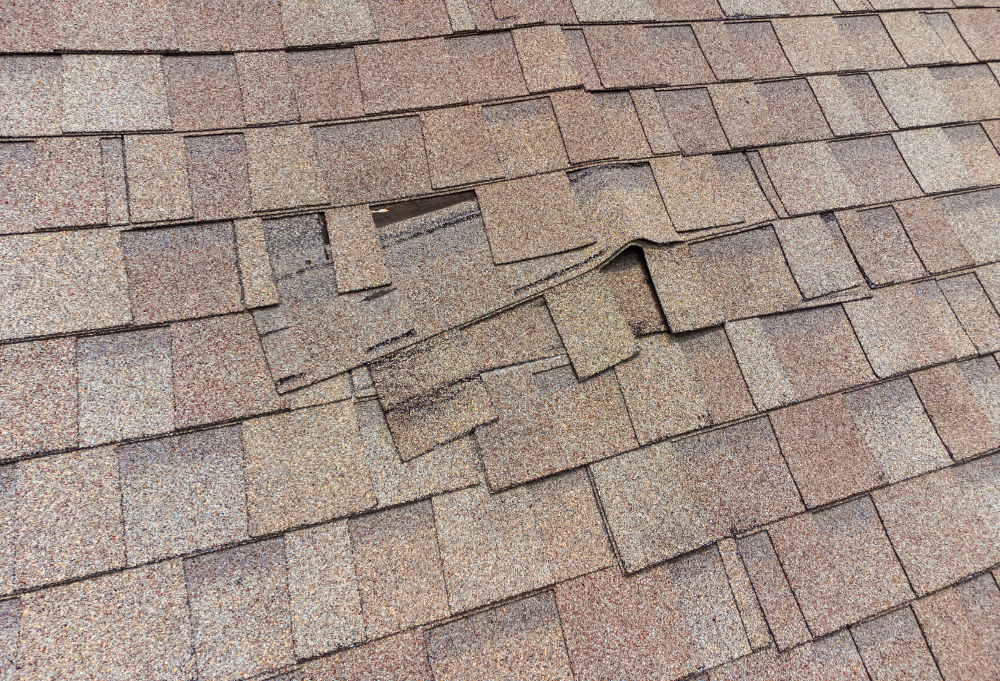
Asphalt shingles lose granules as they age, which is somewhat normal. However, excessive granule loss, especially if your roof is less than twenty years old, indicates accelerated deterioration. More importantly, if the loss reveals the dark underlayment beneath, your protective barrier is compromised and your roof’s structural elements are increasingly exposed to moisture.
When the underlayment becomes visible, water penetration accelerates dramatically. Rain, snow melt, and moisture can reach the wood frame directly, leading to rapid structural deterioration. This creates a cascading problem where water damage compounds over time, affecting an ever-larger area of your roof system.
Significant granule loss often occurs in clusters or follows storm damage patterns. If your roof is shedding granules in excessive quantities, particularly if sections are showing the black or dark gray underlayment, you should prioritize a professional inspection. Your roof’s structural integrity may be deteriorating faster than you realize.
6. Visible Mold and Mildew Growth
Mold and mildew growth on your roof’s surface indicates persistent moisture problems. While these growths initially seem cosmetic, they’re symptoms of an underlying structural issue: moisture is retained in and around your roofing materials and framing.
The presence of mold means your attic environment is damp, humidity levels are elevated, and wood structural components are being exposed to conditions that promote rot. Mold can spread through your framing quickly, weakening joints and connections. Additionally, mold-infested wood becomes softer and weaker as the fungus breaks down the wood’s cellular structure.
Interior mold growth on attic framing or in wall cavities is an especially serious sign. It indicates that moisture penetration has been occurring long enough for mold colonies to establish. This suggests structural wood has already been compromised for an extended period.
7. Pest Damage and Insect Infestations
Carpenter ants, termites, and other wood-boring pests are attracted to moisture-damaged wood. If you notice signs of pest infestation in your attic, particularly carpenter ants or termites, your roof has a moisture problem that has created ideal conditions for these destructive pests.
These insects tunnel through framing members, hollowing out structural components from the inside. The damage is often hidden until it becomes severe. A rafter that looks fine externally might be completely riddled with termite tunnels inside, leaving it structurally compromised and unable to support loads effectively.
If you discover pest activity in your attic, address both the pest problem and the underlying moisture issue immediately. Your roof’s structural integrity depends on it.
Conclusion
Structural roof failure doesn’t happen overnight in most cases. These seven warning signs give you the opportunity to identify problems early and prevent catastrophic failure. Whether you’re dealing with Roof Replacement in Kernersville, NC, or elsewhere, don’t ignore these indicators. Professional inspection followed by appropriate repairs can extend your roof’s life and protect your home’s structural integrity.
Need Roofing Services Near You?
At Tip Top Roofing, we take pride in delivering high-quality craftsmanship and dependable service for every project, whether it is a simple repair or a complete roof restoration. As a family-owned business serving the Triad and surrounding areas, we bring expertise, care, and attention to detail to roofing, siding, windows, doors, gutters, and more for both residential and commercial properties. With our certified team, BBB accreditation, and commitment to customer satisfaction, we make it easy to protect and enhance your home or business with confidence. Contact us today for your free estimate and let us help you achieve a roof you can rely on for years to come.