

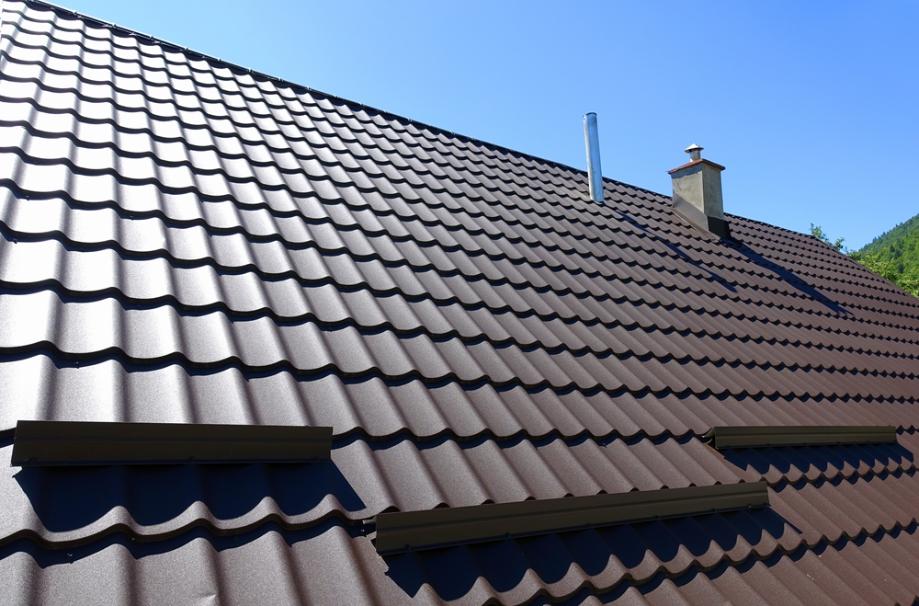
Choosing between a metal roof and asphalt shingles is different on the Outer Banks than it is farther inland. Homes here face salt-laden air, strong coastal winds, tropical systems, wind-driven rain, and long periods of sun exposure, so the right roofing choice needs to account for more than appearance and upfront price.
Quick answer: For an Outer Banks home, both metal roofing and properly selected asphalt shingles can be viable options when the complete roofing system is designed and installed for local conditions. Metal roofing can offer strong long-term performance, but coastal corrosion resistance and correct fastening are critical. Asphalt shingles usually offer a lower initial investment and straightforward repairs, but product selection and high-wind installation details matter. The best choice depends on your home’s location, roof design, budget, and exposure.
What Outer Banks homeowners should know
-
Metal roofing can be well suited to exposed coastal properties, but the specific metal, coating, fasteners, and installation details matter in salty environments.
-
Asphalt shingles can perform in coastal areas when the roofing product and fastening method are appropriate for the home’s wind exposure.
-
Homes near the Atlantic Ocean in communities such as Nags Head, Kitty Hawk, and Hatteras may experience more direct salt and wind exposure than more sheltered properties.
-
Underlayment, flashing, roof decking, fasteners, and installation quality are just as important as the visible roofing material.
-
Local permit requirements can vary depending on whether a property is within an incorporated town or an unincorporated portion of Dare County.
Why Does Roofing Material Matter So Much on the Outer Banks?
Roofing material matters on the Outer Banks because coastal homes are exposed to wind, moisture, salt, and storms that can accelerate wear or expose weaknesses in an improperly installed roofing system. A roof here needs to work as a complete assembly rather than simply provide an attractive exterior covering.
The National Weather Service’s historical tropical cyclone records document repeated tropical storm and hurricane impacts across eastern North Carolina and the Outer Banks, including recorded effects in Kitty Hawk, Hatteras, Nags Head, and surrounding areas.
Salt exposure creates another concern. FEMA guidance explains that corrosion rates in coastal environments can be affected by factors such as humidity, wind, distance from the shoreline, building orientation, and exposure to salt spray.
Tip Top Roofing helps homeowners evaluate roofing options with these local conditions in mind. We look beyond the surface material because roof design, condition, exposure, and installation details can all influence the appropriate solution.
What Does Coastal Roofing Guidance Say?
Coastal roofing guidance emphasizes wind resistance, secure fastening, corrosion resistance, and protection against water intrusion, making the entire roof assembly important for Outer Banks properties. FEMA guidance specifically addresses roof coverings, underlayment, fasteners, and wind loads when discussing residential construction in high-wind coastal areas.
FEMA’s coastal construction guidance also recommends stainless steel roofing nails for asphalt shingle construction within 3,000 feet of saltwater. That recommendation illustrates how dramatically proximity to saltwater can affect something as seemingly simple as choosing a fastener.
For homeowners, the takeaway is straightforward: comparing “metal versus shingles” without comparing the complete installation specifications leaves out important parts of the decision.
How Does Metal Roofing Perform on an Outer Banks Home?
Metal roofing can be a strong option for an Outer Banks home when the system is appropriately selected and installed for the property’s wind and salt exposure. Its suitability depends on more than choosing metal panels because coatings, seams, attachment methods, flashing, and corrosion-resistant components all affect coastal performance.
One potential advantage is the way many metal roofing systems are designed as interconnected panels or components. However, homeowners should not assume that every metal roof automatically provides superior storm protection.
Coastal salt exposure deserves particular attention. FEMA notes that buildings exposed to salt spray can experience high corrosion rates and that ocean-facing portions of a building may corrode faster than less exposed areas.
For a house close to the ocean in Duck or Nags Head, material compatibility and manufacturer requirements can therefore be especially important.
How Do Asphalt Shingles Perform on the Outer Banks?
Asphalt shingles can work effectively on Outer Banks homes when homeowners choose an appropriate product and the roof is installed using fastening and underlayment practices suited to local wind conditions. Shingles also remain practical for owners who prioritize initial cost, familiar appearance, and relatively simple individual repairs.
Wind performance deserves close attention. FEMA’s coastal construction guidance discusses testing and fastening considerations for asphalt shingles in high-wind regions, reinforcing that not all shingle installations should be treated the same.
A shingle roof in Southern Shores, Kill Devil Hills, or Kitty Hawk should therefore be evaluated as a system. The shingle itself matters, but so do nail placement, roof decking, flashing, underlayment, roof geometry, and workmanship.
What Warning Signs Should Outer Banks Homeowners Watch For?
Outer Banks homeowners should watch for loose roofing materials, corrosion, damaged flashing, water intrusion, and other changes that suggest the roof has been affected by coastal weather or age. Catching visible problems early can help determine whether localized repairs are appropriate or a larger roofing evaluation is warranted.
Common warning signs include:
-
Missing, lifted, cracked, or displaced shingles
-
Metal panels or trim that appear loose or shifted
-
Rust or corrosion developing around exposed metal components
-
Damaged flashing around chimneys, walls, skylights, or roof transitions
-
Water stains on ceilings or inside attic spaces
-
Roofing debris on the property after high winds
-
Visible deterioration around roof penetrations
-
Repeated leaks that return after previous repairs
After a major coastal storm or prolonged high-wind event, homeowners can also visually inspect the roof from the ground. Avoid climbing onto a wet, steep, damaged, or potentially unstable roof.
When Should You Call a Roofing Professional?
You should call a roofing professional when you see storm damage, recurring leaks, displaced roofing materials, significant corrosion, or signs that water may be getting beneath the roof covering. A professional inspection is also useful before deciding between another repair and full roof replacement.
Homeowners can safely monitor ceilings, attic areas, gutters, and visible roof surfaces from the ground. Actual roofing work is different.
On elevated Outer Banks homes and steep roofs, attempting a DIY inspection can introduce unnecessary fall hazards. Professional evaluation also makes it possible to inspect components that are difficult to assess from the driveway, including flashing, penetrations, fasteners, seams, and roof transitions.
What Common Outer Banks Conditions Affect Roofs?
The most important Outer Banks roofing conditions include strong winds, salt exposure, wind-driven rain, intense sun, and repeated storm events. The severity of each condition varies according to a property’s location, orientation, roof shape, height, surrounding buildings, and distance from the ocean or sound.
1. Coastal wind: Wind can place substantial pressure on roof coverings and roof edges, particularly on exposed structures.
2. Salt exposure: Salt carried through the coastal environment can contribute to corrosion of susceptible metal components.
3. Wind-driven rain: Water can find vulnerable flashing, penetrations, or damaged roofing during severe weather.
4. Tropical systems: The region has a long documented history of tropical cyclone impacts.
5. Moisture: FEMA notes that moisture-related wood decay is prevalent in coastal areas, making water management important even beyond the roof covering itself.
These conditions apply across communities from Corolla and Duck through Nags Head and farther south toward Hatteras Island, although individual properties can experience very different exposure.
How Can You Maintain a Coastal Roof?
Coastal roof maintenance should focus on regular visual checks, prompt attention to damage, keeping drainage paths clear, and professional inspections when storms or visible deterioration raise concerns. The goal is to identify small vulnerabilities before another period of severe weather tests the roof.
From the ground, periodically look for displaced shingles, damaged metal, loose flashing, debris accumulation, and changes around roof edges. Check accessible attic areas for stains, dampness, or other evidence of water entry.
Storm preparation is also useful. Before periods when tropical weather becomes a concern, addressing known roof problems is preferable to discovering them during wind-driven rain.
For metal roofs, pay particular attention to visible corrosion and changes around fasteners, seams, flashing, and penetrations. For shingle roofs, watch for lifting, missing pieces, cracking, and areas that appear different from surrounding shingles.
What Results Should You Expect From a Roof Replacement?
A properly planned roof replacement should provide a complete weather-resistant roofing system matched to the home, roof design, selected materials, and local exposure. Homeowners should expect the project to address necessary roofing components rather than treating the visible roof covering as the only part that matters.
The exact scope will depend on the condition of the existing roof and decking. Some projects may reveal deteriorated materials after the old covering is removed, which can affect the work required.
No roofing material eliminates the need for future inspections or maintenance, especially on the coast.
What Mistakes Should Outer Banks Homeowners Avoid?
The biggest roofing mistakes on the Outer Banks are choosing by price alone, overlooking coastal compatibility, delaying obvious repairs, and assuming every product in the same roofing category performs identically. A better approach considers the roof as a complete system designed for the property’s actual conditions.
Mistake: Comparing only initial prices.
Consequence: The lower upfront option may not align with your long-term plans or maintenance expectations.
Better approach: Compare installation scope, materials, expected maintenance, and property-specific exposure.
Mistake: Assuming all metal roofing is the same.
Consequence: Material, coating, fastener, and manufacturer requirements may differ.
Better approach: Confirm that the proposed system is appropriate for your coastal location.
Mistake: Treating all shingles as interchangeable.
Consequence: Products and installation requirements can differ in their wind-performance characteristics.
Better approach: Evaluate the proposed shingle and installation specifications together.
Mistake: Ignoring small storm damage.
Consequence: A vulnerable area can allow additional water intrusion during later weather events.
Better approach: Have questionable damage evaluated before it develops into a larger problem.
What Is a Common Local Roofing Scenario?
A common Outer Banks roofing scenario is an older coastal home whose owner must decide whether to replace aging shingles with another shingle system or move to metal. This decision often comes up after repeated repairs, visible weathering, or storm damage makes continued patching less attractive.
Consider a hypothetical rental property near the beach in Kill Devil Hills. The owner may value durability and reduced disruption but also needs to consider budget and the home’s coastal exposure.
Another homeowner in a more sheltered location near Manteo might have different priorities. The point is not that one material automatically wins. The location and building should shape the recommendation.
What Roofing Solutions Address Coastal Conditions?
Roofing solutions for coastal homes should address the roof covering, underlayment, flashing, penetrations, decking condition, fastening, and other components needed for a weather-resistant assembly. Depending on the existing roof, that may involve repairs, replacement, or evaluation following storm damage.
We can help homeowners compare metal and asphalt shingle roofing based on the specific property rather than making the decision from a generic product list.
Metal Roof vs. Shingles: How Do the Options Compare?
Metal and asphalt shingles can both serve Outer Banks homes, but they differ in initial investment, maintenance considerations, appearance, repair methods, and sensitivity to product and installation choices. Homeowners should compare complete proposed roofing systems instead of judging the materials solely by category.
| Factor | Metal Roofing | Asphalt Shingles |
|---|---|---|
| Initial investment | Typically higher | Typically lower |
| Coastal consideration | Corrosion resistance and material compatibility are critical | Wind-rated product and fastening details are critical |
| Repairs | May require matching specialized panels or components | Individual damaged shingles may be easier to replace |
| Appearance | Distinct panel or metal-roof profiles | Traditional residential appearance |
| Wind considerations | Depends on tested system and installation | Depends on product rating and installation |
| Best fit | Owners prioritizing a longer-term roofing investment | Owners prioritizing initial affordability and familiar roofing |
Neither column should be interpreted as universally better. A roofing system that is appropriate for one Outer Banks property may not be the right specification for another.
What Roofing Rules Apply in Dare County?
Roofing requirements in Dare County depend partly on the project’s scope and whether the property falls under county or municipal jurisdiction. Dare County states that replacing shingles alone does not require a county building permit unless the plywood underneath is also being replaced. Homeowners should verify requirements for their specific project and location.
The incorporated towns of Duck, Southern Shores, Kitty Hawk, Kill Devil Hills, Nags Head, and Manteo handle their own planning and building permits. Dare County handles relevant construction permitting in the unincorporated areas it serves.
Properties along the oceanfront, sound, or canals can also involve Coastal Area Management Act considerations depending on the scope of development. Dare County notes that development along oceanfront and estuarine shorelines may be subject to CAMA requirements.
What Areas Can Homeowners Consider These Roofing Options?
Homeowners throughout the Outer Banks can consider metal and asphalt shingles, but the appropriate specification should reflect each property’s particular coastal exposure. That includes homes around Duck, Southern Shores, Kitty Hawk, Kill Devil Hills, Nags Head, Manteo, Colington, and Hatteras Island.
Homes closer to open water or in highly exposed locations deserve particularly careful consideration of wind and corrosion.
What Can Happen If You Delay a Failing Roof?
Delaying repairs to a failing Outer Banks roof can allow water intrusion and weather-related deterioration to spread beyond the original damaged area. Coastal storms can test already weakened roofing, flashing, decking, and other components, potentially turning a manageable repair into a more extensive project.
Waiting is particularly risky when a roof is already leaking or materials have been displaced by wind. Even if the interior appears dry, roofing damage may deserve professional evaluation before the next severe weather event.
FAQ
Is a metal roof better than shingles on the Outer Banks?
Neither roofing material is automatically better for every Outer Banks home. Metal may appeal to homeowners seeking a longer-term roofing option, while asphalt shingles can provide a lower initial investment and familiar repair process. Wind exposure, salt proximity, roof geometry, material specifications, and installation details should guide the decision.
Can asphalt shingles handle Outer Banks winds?
Asphalt shingles can be used in high-wind coastal areas when the selected product and installation meet applicable requirements for the property. FEMA guidance specifically addresses wind-resistant shingle selection, fastening, and underlayment for coastal construction, so homeowners should compare specifications rather than assuming every shingle performs identically.
Does salt air damage metal roofs near the ocean?
Salt exposure can contribute to corrosion of susceptible metal components, which makes material selection especially important near the Outer Banks shoreline. FEMA identifies salt spray, humidity, distance from the shoreline, orientation, and exposure among factors influencing coastal corrosion. The roofing system should be selected according to its intended environment.
Is metal roofing a good choice for a Nags Head beach house?
Metal roofing may be suitable for a Nags Head beach house when the proposed system is appropriate for its wind and salt exposure. Ocean proximity makes corrosion resistance, compatible components, flashing, attachment methods, and manufacturer requirements particularly important. A property-specific assessment is more useful than choosing metal based only on material category.
Do I need a permit to replace a roof in Dare County?
Permit requirements depend on location and project scope. Dare County states that replacement of shingles does not require a county building permit unless the plywood underneath is also replaced, but incorporated municipalities handle permitting within their own jurisdictions. Verify the current requirements that apply to the property’s address before work begins.
Should I inspect my Outer Banks roof after a tropical storm?
Yes, a visual post-storm check is sensible when your property has experienced significant wind or wind-driven rain. From the ground, look for missing materials, shifted components, debris, damaged flashing, and interior water stains. If damage is suspected, avoid climbing onto the roof and arrange a professional inspection.
Does living near Hatteras change what roofing material I should choose?
A Hatteras Island location can affect roofing decisions because exposure to wind, salt, and coastal weather needs to be considered for the individual property. Dare County’s Frisco planning office serves Hatteras Island, and homeowners should also verify applicable building and coastal-development requirements when planning significant work.
Is metal roofing always more wind resistant than shingles?
No, roofing material alone does not establish how a roof will perform in high winds. Wind performance depends on the tested roofing system, installation, fasteners, roof geometry, substrate, edges, and other details. FEMA guidance addresses wind-resistance requirements for multiple roof-covering systems rather than treating material type alone as sufficient.
Choose a Roof That Fits Your Outer Banks Home
The best roof for an Outer Banks property is one selected for the home’s actual exposure, condition, design, and the owner’s priorities. Metal and asphalt shingles can both have a place here, but coastal roofing requires careful attention to details that may matter less farther inland.
Protect Your Outer Banks Home With the Right Roofing System
We can help you evaluate your existing roof and understand which replacement options make sense for your property without reducing the decision to metal versus shingles alone.