

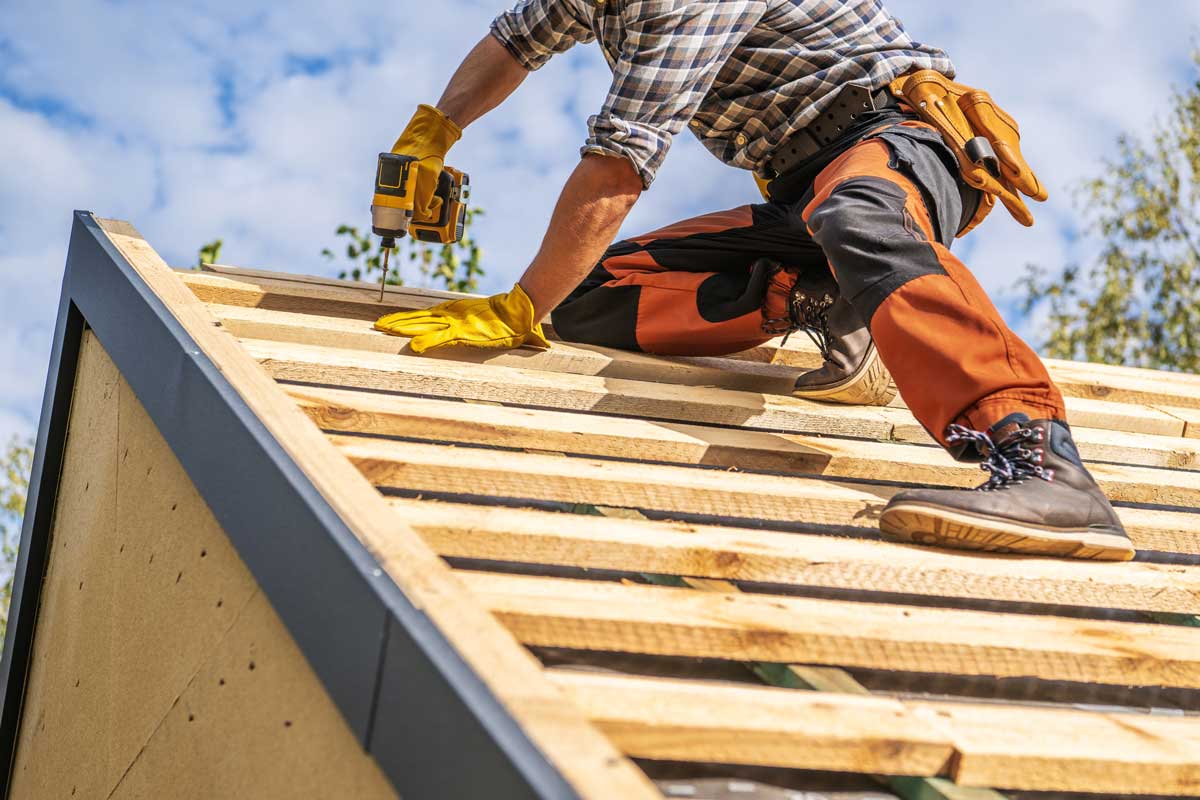
Replacing a roof on the Outer Banks involves more than choosing shingles and calculating square footage. Coastal wind exposure, roof pitch, elevated homes, storm damage, and deteriorated roof decking can all change the scope of the project and the final price.
How Much Does a Roof Replacement Cost in the Outer Banks, NC?
A roof replacement in the Outer Banks can cost roughly $10,000 or more for many homes, but there is no reliable one-price-fits-all estimate. National 2026 data from Angi puts the average professional roof replacement at about $9,609, with roof size, material, pitch, location, removal, and related work affecting the final total.
That national figure should only be used as a budgeting reference. Homes along the Outer Banks can have conditions that make their projects substantially different from an average inland roof.
What local homeowners should know
-
Larger and more complex roofs generally require more materials and labor.
-
Steep pitches, multiple roof sections, dormers, and elevated coastal homes can increase installation complexity.
-
Homes from Kitty Hawk and Kill Devil Hills to Nags Head and Hatteras Island face significant wind exposure.
-
Damaged plywood or other decking discovered after tear-off can increase the final project cost.
-
Asphalt shingles, metal roofing, and other roofing systems have different material and installation costs.
Why Does Roof Replacement Cost Matter So Much on the Outer Banks?
Roof replacement cost matters on the Outer Banks because coastal properties face conditions that can influence both material selection and installation requirements. Wind, salt exposure, heavy rain, tropical weather, and the design of elevated coastal homes all deserve consideration when planning a roofing project.
NOAA research describing regional wind conditions notes that Cape Hatteras is considerably more exposed than inland North Carolina locations, with correspondingly greater expected wind speeds. That exposure is one reason homeowners should look beyond the lowest initial estimate when comparing roofing options.
At Tip Top Roofing, we recommend evaluating the entire roof system rather than making a decision based on material price alone. The condition of the decking, flashing, penetrations, ventilation, and existing roofing materials can all affect what a replacement actually requires.
What Local Data Should Outer Banks Homeowners Consider?
Local data confirms that wind exposure and coastal construction requirements are meaningful considerations for Outer Banks properties. NOAA wind research identifies Cape Hatteras as more exposed than inland locations, while North Carolina’s building codes include specific provisions addressing high-wind zones and coastal construction.
Permitting can also vary by location. Dare County states that replacing shingles alone does not require a county building permit unless the plywood underneath is also being replaced. Incorporated communities including Duck, Kitty Hawk, Kill Devil Hills, Nags Head, Southern Shores, and Manteo handle their own planning and building permitting, so requirements should be verified for the property’s specific jurisdiction.
What Has the Biggest Impact on Roof Replacement Cost?
Roof size, material, complexity, accessibility, and hidden damage usually have the biggest impact on roof replacement cost. On the Outer Banks, the height and configuration of the home can be particularly important because many coastal properties are elevated or have multiple stories.
A straightforward asphalt-shingle roof with easy access may cost considerably less than a steep, multi-level roof with numerous valleys, dormers, skylights, or penetrations. Tear-off requirements also matter. Once the existing roof is removed, deteriorated decking or other concealed problems may become visible.
Material selection creates another major difference. Architectural asphalt shingles are commonly selected for residential projects, while homeowners may also consider metal and other systems based on budget, appearance, property design, and exposure.
What Are the Warning Signs That a Roof May Need Replacement?
Signs that a roof may need replacement include widespread shingle deterioration, recurring leaks, missing roofing materials, damaged flashing, and decking problems. Outer Banks homeowners should pay particular attention after major wind and rain events because damage is not always obvious from ground level.
Watch for:
-
Missing, lifted, cracked, or visibly damaged shingles
-
Granules accumulating around gutters or downspouts
-
Water stains on ceilings or attic surfaces
-
Recurring leaks in multiple areas
-
Soft or deteriorated roof decking
-
Damaged flashing around chimneys, vents, and roof transitions
-
Visible roof sections affected by recent storms
-
An aging roof showing widespread wear rather than one isolated defect
One damaged shingle does not automatically mean the entire roof needs replacement. Widespread deterioration or repeated failures deserve a more complete evaluation.
When Should You Call a Roofing Professional?
You should call a roofing professional when damage is widespread, leaks keep returning, storm damage is suspected, or you cannot safely inspect the roof from the ground. A professional inspection can help distinguish a repairable problem from deterioration that makes replacement the more practical option.
Homeowners can safely look for missing shingles, interior stains, debris, or obvious exterior damage from ground level. Climbing onto a steep or elevated roof is different, particularly on taller homes common throughout the Outer Banks.
Professional evaluation is also useful before committing to a replacement budget because visible roofing materials tell only part of the story.
What Common Outer Banks Conditions Affect Roofs?
Wind exposure, salt-laden coastal air, rain, storms, and prolonged weather exposure are common conditions that can affect roofs across the Outer Banks. Their impact varies depending on the property’s location, roof design, materials, age, and maintenance history.
1. Wind exposure: Coastal winds can stress shingles, flashing, edges, and other roof components.
2. Tropical systems and severe storms: High winds and wind-driven rain can expose existing weak points quickly.
3. Salt exposure: Properties near the ocean experience an environment different from inland North Carolina, making compatible materials and components an important consideration.
4. Roof complexity: Large vacation homes in communities such as Corolla, Duck, and Nags Head may have multiple levels and complicated rooflines that increase labor requirements.
5. Previous repairs: Repeated patching can make it harder to determine the roof’s overall condition without a thorough inspection.
How Can Homeowners Reduce Unexpected Roofing Costs?
Homeowners can reduce unexpected roofing costs by inspecting their roofs regularly, addressing small problems early, and budgeting for possible decking repairs before replacement begins. On the Outer Banks, inspections after significant coastal storms can also help identify problems before water intrusion becomes extensive.
Keep gutters and drainage paths clear, check ceilings and attic spaces for moisture, and visually inspect roofing materials from the ground. If shingles, flashing, or roof edges appear damaged, arrange an evaluation instead of attempting repairs on a steep roof.
Planning ahead can also make replacement easier. Waiting until an active leak develops may reduce your flexibility in scheduling and material selection.
What Results Should You Expect From Roof Replacement?
A properly completed roof replacement should leave the home with a complete roofing system appropriate for the structure, selected materials, and applicable installation requirements. The project may include removal of old materials, assessment of exposed decking, installation of required roofing components, flashing work, and the new roof covering.
Exact scope varies by property. An oceanfront home near Hatteras Island may present different access and exposure considerations than a home farther from direct ocean exposure in Colington or on Roanoke Island.
What Roof Replacement Mistakes Should Outer Banks Homeowners Avoid?
The biggest roof replacement mistakes involve comparing estimates only by the bottom-line price, ignoring hidden damage, and assuming every proposal includes the same work. A better comparison looks at scope, materials, tear-off, decking provisions, flashing, cleanup, and other project-specific details.
Mistake: Choosing an estimate solely because it has the lowest total.
Consequence: Important differences in materials or scope may be overlooked.
Better approach: Compare written scopes carefully and ask what is included.
Mistake: Assuming the decking is fine before tear-off.
Consequence: The budget may not account for deteriorated plywood discovered during replacement.
Better approach: Ask how unexpected decking replacement will be handled and priced.
Mistake: Ignoring local permitting requirements.
Consequence: The project may encounter avoidable compliance problems.
Better approach: Confirm requirements for the property’s municipality or county jurisdiction before work begins.
What Is a Common Roof Replacement Scenario on the Outer Banks?
A common local scenario is an older asphalt-shingle roof that has experienced years of coastal weather and begins showing scattered damage or recurring leaks. The homeowner may initially expect a small repair, but an inspection reveals deterioration across several roof areas.
In that situation, the decision is not simply whether one leak can be patched. The homeowner should compare the cost and expected usefulness of another repair with the scope of replacing an aging system.
What Roofing Services Can Help?
Roof inspections, roof repairs, storm-related evaluations, and full roof replacement can address different stages of roofing deterioration. The appropriate service depends on whether the problem is isolated or affects a substantial portion of the roof.
We can evaluate the existing roof and help homeowners understand which conditions may require repair and which may justify discussing replacement.
Should You Repair or Replace Your Roof?
Roof repair is generally better suited to localized damage on an otherwise serviceable roof, while replacement becomes worth considering when deterioration is widespread, leaks repeatedly return, or multiple sections are failing. The age and overall condition of the existing roofing system also matter.
A repair may address a small damaged area or isolated flashing problem. Replacement addresses the roof more comprehensively. Before deciding, homeowners should understand both the immediate cost and whether the proposed solution addresses the broader condition of the roof.
What Outer Banks Areas Have Similar Roofing Concerns?
Properties throughout the Outer Banks share many coastal roofing concerns, although exposure and building design vary from community to community. We serve homeowners in the region, including properties around Kitty Hawk, Kill Devil Hills, Nags Head, Duck, Southern Shores, Corolla, and Hatteras Island.
Roofing conditions should always be evaluated at the individual property level rather than assumed based solely on ZIP code or community.
What Can Happen If You Delay a Needed Roof Replacement?
Delaying a roof replacement after significant deterioration develops can allow water intrusion to affect decking, insulation, ceilings, and other parts of the home. Coastal storms can also expose existing weak areas quickly, turning a manageable roofing issue into a larger repair scope.
That does not mean every aging roof needs immediate replacement. It does mean recurring leaks, widespread material failure, or visible structural concerns should not be ignored.
Frequently Asked Questions About Roof Replacement Cost in the Outer Banks
How much should I budget for a roof replacement in the Outer Banks, NC?
A reasonable starting point is to expect a five-figure project for many complete roof replacements, while recognizing that actual pricing can vary considerably. National 2026 data from Angi lists an average of about $9,609, but Outer Banks roof size, height, materials, access, wind exposure, and decking condition can move the final cost higher or lower.
Why can Outer Banks roof replacement cost more than an inland project?
Outer Banks projects can involve elevated homes, complex rooflines, coastal exposure, access challenges, and material considerations that are different from many inland properties. These conditions do not create a fixed coastal surcharge, but they can increase labor, equipment, material, or installation requirements for a particular property.
Does Dare County require a permit for roof replacement?
Dare County says replacing shingles does not require a building permit unless the plywood underneath the shingles is also being replaced. Requirements can differ within incorporated municipalities, including Nags Head, Kill Devil Hills, Kitty Hawk, Duck, Southern Shores, and Manteo, so homeowners should verify the rules for their property’s jurisdiction before work begins.
Does roof size determine the entire replacement cost?
No. Roof size is a major pricing factor, but pitch, height, material, tear-off requirements, accessibility, roof complexity, flashing, and damaged decking also affect the total. Two Outer Banks homes with similar floor plans can therefore receive different replacement estimates if their roof designs or existing conditions differ.
Does storm damage mean I automatically need a new roof?
No. Storm damage does not automatically require full replacement because some problems are isolated and repairable. The appropriate solution depends on the extent of the damage and the roof’s overall condition. After strong Outer Banks winds, a professional inspection can help determine whether repair or replacement deserves consideration.
Is asphalt roofing a practical option for Outer Banks homes?
Asphalt shingles can be an option for Outer Banks homes, but the specific product and installation need to be appropriate for the property and applicable requirements. Homeowners should compare product specifications, roof design, exposure, installation details, and total project scope rather than selecting shingles based solely on color or price.
Will damaged plywood increase my roof replacement price?
Yes. Replacing deteriorated roof decking adds materials and labor to the project. Dare County also states that replacing plywood beneath shingles changes the county’s permitting requirements. Because decking is partly concealed until roofing materials are removed, homeowners should ask how potential decking replacement is addressed in their estimate.
When is the best time to replace a roof on the Outer Banks?
The best time is when weather conditions allow safe, proper installation and before known deterioration becomes an active water problem. Scheduling before a roof reaches the point of repeated leaks can provide more flexibility, although actual timing should account for current roof condition, weather, contractor availability, and project needs.
Plan Your Outer Banks Roof Replacement With Clear Information
Roof replacement cost depends on much more than the square footage of your home. For Outer Banks property owners, coastal exposure, roof configuration, materials, accessibility, decking condition, and local requirements all deserve consideration before settling on a budget.
Protect Your Outer Banks Home With the Right Roofing Plan
We can help you understand the condition of your roof and the scope of work your property may need.