

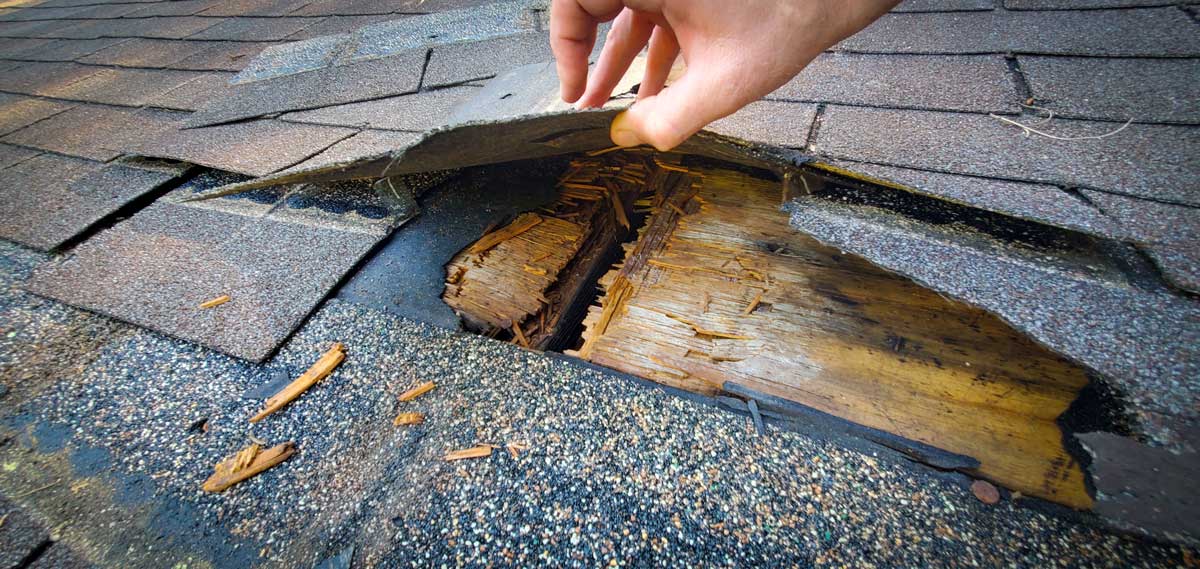
Hurricanes and tropical storms can leave Outer Banks homeowners dealing with much more than fallen branches and standing water. High winds, wind-driven rain, blowing sand, and flying debris can damage a roof even when everything looks normal from the driveway.
The safest approach after a major storm is to inspect what you can from the ground, document visible damage, protect the home from additional water intrusion when it is safe to do so, and arrange a professional roof inspection when damage is suspected. Roof problems after a hurricane are not always obvious, and climbing onto a wet or storm-damaged roof can create additional risks.
What Outer Banks Homeowners Should Know
-
Check the attic and ceilings for water stains, active drips, damp insulation, or other signs that rain entered the home.
-
From the ground, look for missing or displaced shingles, damaged metal panels, loose flashing, and debris on the roof.
-
Properties near the Atlantic Ocean, Currituck Sound, and Pamlico Sound can experience intense wind and wind-driven rain during coastal storms.
-
Photograph visible damage before moving debris or making temporary repairs whenever it is safe to do so.
-
Avoid walking on a roof after a hurricane because wet materials and hidden structural damage can make the surface unsafe.
Why Does Hurricane Roof Damage Matter So Much on the Outer Banks?
Hurricane roof damage matters on the Outer Banks because coastal homes can be exposed to strong winds, heavy rain, salt air, blowing sand, and debris during the same storm. Even relatively small openings in a roofing system can allow water into the attic, insulation, ceilings, and walls if another round of rain arrives.
Homes from Corolla and Duck to Kitty Hawk, Kill Devil Hills, Nags Head, and communities farther south along Hatteras Island face conditions that are different from those of inland North Carolina properties. Elevated homes, oceanfront properties, vacation rentals, and houses exposed to open stretches of coastline can all require careful attention after severe weather.
Tip Top Roofing helps property owners evaluate roofing concerns after storms. When we inspect a roof, the goal is to identify visible damage, determine where water may be entering, and help the property owner understand appropriate next steps.
What Should You Check Immediately After a Hurricane?
Your first post-hurricane roof check should focus on safe, visible signs of damage rather than climbing onto the roof. Start inside the home and then inspect the exterior from a safe location once local conditions allow.
Inside, check ceilings, upper-floor walls, attic spaces, and areas around vents or chimneys. Outside, look for roofing material in the yard, bent gutters, damaged fascia, displaced flashing, fallen limbs, and sections of roofing that appear different from neighboring areas.
For Outer Banks properties that are not occupied year-round, arranging an inspection can be especially important. A small leak in a vacation home may continue unnoticed between visits.
What Are the Warning Signs of Storm-Damaged Roofing?
Storm-damaged roofing often shows up as missing materials, leaks, displaced components, or changes in the roof surface. Outer Banks homeowners should watch for these specific warning signs after a hurricane or strong coastal storm:
-
Missing, lifted, cracked, or visibly displaced shingles
-
Bent, loose, or missing metal roofing components
-
Water stains or discoloration on ceilings and walls
-
Damp insulation or moisture inside the attic
-
Loose flashing around chimneys, vents, skylights, or roof transitions
-
Roofing materials or pieces of flashing found in the yard
-
Sagging or visibly altered sections of the roof
-
Damaged gutters, fascia, soffits, or roof-edge components
Not every problem can be identified from the ground. Wind can loosen roofing components without completely removing them, which is one reason a professional inspection may be useful after significant weather.
When Should You Call a Roofing Professional?
You should call a roofing professional when you see missing roofing materials, interior water intrusion, damaged flashing, a fallen object on the roof, or any condition you cannot safely evaluate from the ground. After a significant Outer Banks storm, an inspection may also be appropriate when the home experienced severe wind exposure but has no obvious exterior damage.
Homeowners can safely photograph damage, inspect accessible interior spaces, and clear small debris from the ground. DIY work should stop before climbing onto a wet, steep, elevated, or potentially damaged roof.
If electrical lines, major structural damage, flooding, or other immediate hazards are present, address those safety concerns through the appropriate emergency or utility resources before approaching the affected area.
What Commonly Causes Roof Damage During Outer Banks Storms?
The most common storm-related roofing problems come from wind, wind-driven rain, debris, and prolonged coastal exposure. On the Outer Banks, several of these forces can affect the same property during a single weather event.
High winds: Wind can lift or remove shingles and place stress on roof edges, flashing, ridge components, and other vulnerable areas.
Wind-driven rain: Rain pushed by strong coastal winds can reach openings and transitions that may remain dry during ordinary rainfall.
Flying and falling debris: Tree limbs and other storm debris can puncture roofing materials or damage gutters, flashing, and roof edges.
Coastal exposure: Salt air and moisture are ongoing considerations for homes from Corolla south through Dare County and toward Hatteras Island. Storms can expose existing weak points in roofing components.
Pre-existing wear: Older or already damaged roofing materials may be more vulnerable when a tropical system brings sustained wind and heavy rainfall.
How Can You Reduce Roof Problems Before the Next Storm?
Reducing future storm problems starts with routine roof maintenance and addressing existing defects before hurricane conditions arrive. Outer Banks homeowners should periodically check visible roofing components, gutters, flashing, sealants, and nearby trees rather than waiting for a named storm to approach.
Before hurricane season or extended periods of severe coastal weather, inspect the property from the ground and look for obvious loose or damaged materials. Keep records of roof maintenance and take current photos of the home’s exterior when practical.
After a storm, repeat the visual check. Comparing conditions before and after severe weather can make changes easier to identify.
What Can You Expect From a Professional Roof Inspection?
A professional roof inspection should help identify storm-related concerns and clarify whether the roof needs maintenance, repair, or a more extensive solution. The appropriate recommendation depends on the roof’s condition, materials, extent of damage, and whether water has entered the building.
Some storm damage may be limited to specific components. Other situations can involve multiple areas or reveal deterioration that existed before the hurricane.
Our role is to inspect the roofing system and help you understand the condition we find rather than assume every storm-damaged roof requires replacement.
What Mistakes Should Outer Banks Homeowners Avoid After a Hurricane?
The biggest post-storm mistakes are delaying visible leaks, climbing onto an unsafe roof, and assuming that no missing shingles means there is no damage. A safer approach is to document conditions promptly and have questionable areas evaluated.
Mistake: Climbing onto the roof immediately.
Consequence: Wet surfaces, loose materials, and hidden damage can create fall hazards.
Better approach: Inspect from the ground and leave rooftop evaluation to trained professionals.
Mistake: Ignoring a small ceiling stain.
Consequence: The stain may indicate moisture entering somewhere above the finished ceiling.
Better approach: Document the area and determine the source before another period of heavy rain.
Mistake: Waiting because the roof looks normal.
Consequence: Some displaced or loosened components can be difficult to see from ground level.
Better approach: Consider an inspection when the property experienced significant storm exposure.
What Is a Common Outer Banks Post-Storm Scenario?
A common Outer Banks scenario is a homeowner returning to a property after a storm and finding no dramatic exterior damage but noticing a new ceiling stain or roofing material in the yard. The roof may appear intact from the street, leaving the owner unsure whether service is necessary.
In this situation, the homeowner can photograph the interior and exterior conditions, avoid walking on the roof, and arrange an inspection. The inspection can then focus on identifying the source of the problem and determining an appropriate repair plan.
Which Roofing Services May Help After a Hurricane?
Post-hurricane roofing services can include inspections, targeted repairs, replacement of damaged roofing components, and more extensive roofing work when the condition warrants it. The right service should be based on the actual condition of the property rather than the fact that a storm occurred.
For Outer Banks homeowners, timely evaluation can also help identify openings before subsequent coastal rain creates additional water intrusion.
Should You Repair or Replace a Storm-Damaged Roof?
Repair may make sense when damage is limited and the surrounding roofing system remains serviceable, while replacement may be considered when damage is widespread or the existing roof’s condition makes isolated repairs impractical. A roof inspection is the appropriate starting point for distinguishing between these options.
Temporary measures may help limit immediate water intrusion, but they are not necessarily substitutes for permanent repairs. Homeowners should also avoid assuming that a hurricane automatically means the entire roof must be replaced.
Where Do We Help Outer Banks Property Owners?
We serve roofing customers in the Outer Banks region, where coastal weather can create demanding conditions for residential roofing systems. Property owners in communities such as Corolla, Duck, Kitty Hawk, Kill Devil Hills, Nags Head, and surrounding areas can contact us to discuss roofing concerns after severe weather.
What Can Happen If You Ignore Storm Roof Damage?
Ignoring storm roof damage can allow an existing opening to remain exposed to additional rain and moisture. For Outer Banks homes, where another period of wind or heavy coastal rain may follow the original storm, addressing suspected damage promptly can reduce the chance that a roofing problem affects additional parts of the property.
Water intrusion can involve insulation, ceilings, walls, and other building materials. Early evaluation provides a clearer picture of the roof’s condition and what action, if any, is needed.
FAQ About Hurricane Roof Damage on the Outer Banks
Should I inspect my Outer Banks roof myself after a hurricane?
You can safely inspect an Outer Banks roof from the ground and check accessible interior areas, but avoid climbing onto the roof. Wet materials, loose components, and damage that is not visible from below can create hazards. Photograph anything unusual and arrange a professional inspection when you suspect roof damage.
What should I check first after a hurricane in Dare County?
Start inside the home by checking ceilings, walls, and accessible attic areas for signs of moisture. Once conditions are safe, walk around the exterior and look for missing roofing materials, damaged flashing, debris, and changes along the roof edges. Do not climb onto a potentially damaged roof.
Can an Outer Banks roof be damaged even if no shingles are missing?
Yes. A roof can experience storm damage without obvious missing shingles. Wind may loosen or shift roofing components, while wind-driven rain may enter around vulnerable transitions or previously compromised areas. If your property experienced severe conditions or develops new signs of moisture, consider having the roof inspected.
How soon should I check my roof after an Outer Banks hurricane?
Check your property as soon as authorities indicate conditions are safe and immediate hazards have passed. Start with interior and ground-level observations. If you find leaks, missing materials, or significant debris impacts, arrange an evaluation promptly rather than waiting for the next period of rain.
What should owners of Outer Banks vacation homes do after a storm?
Vacation-home owners should arrange for someone to safely check the property if they cannot return promptly. Look for interior water intrusion and visible exterior changes. Because an unoccupied property may not reveal a developing leak quickly, post-storm inspection can be particularly useful for seasonal and rental homes.
Does salt air affect roofing on the Outer Banks?
Salt air is one part of the demanding coastal environment surrounding Outer Banks properties. Roofing materials and exposed components can experience ongoing moisture and coastal exposure, so routine inspection and maintenance are useful. After a major storm, pay particular attention to components that were already showing wear or deterioration.
Should I cover a leaking roof myself after a hurricane?
Only perform temporary protection that can be completed safely without climbing onto a hazardous roof or entering an unsafe structure. Roofing work at height can be especially dangerous after storms. When active water intrusion is present, contact a professional about appropriate temporary protection and permanent repair options.
Do all hurricane-damaged roofs need replacement?
No. Hurricane exposure alone does not mean a roof requires replacement. The appropriate solution depends on the location and extent of damage, the roofing material, and the overall condition of the existing system. An inspection can help determine whether targeted repairs or a broader roofing solution is appropriate.
Protect Your Outer Banks Home Before the Next Storm
A hurricane can leave roofing problems that range from immediately obvious to difficult to spot from the ground. We can help you evaluate suspected damage and understand the roofing options appropriate for your property.